Help Guide: Aluminium Window Thermal Performance Explained
How Modern Aluminium Windows Improve Thermal Performance
Energy Efficiency · Comfort · Performance
Understanding Aluminium Window Thermal Performance
Aluminium windows combine strength, slim sightlines and timeless design, but thermal performance is equally important. Well-insulated windows help reduce heat loss, improve comfort and support year-round energy efficiency.
This guide explains U-values, thermal breaks, glazing options and energy efficiency ratings, helping you understand what to look for when choosing high-performance aluminium windows for your home.
What Is Thermal Performance?
Thermal performance refers to how effectively a window prevents heat from passing through it. A well-performing window reduces heat loss, improves comfort, and lowers energy bills.
In the UK, thermal performance has become increasingly important due to stricter Building Regulations and rising energy costs.
Modern aluminium windows now offer excellent insulation levels thanks to improvements in frame design, glazing technology, and thermal break systems

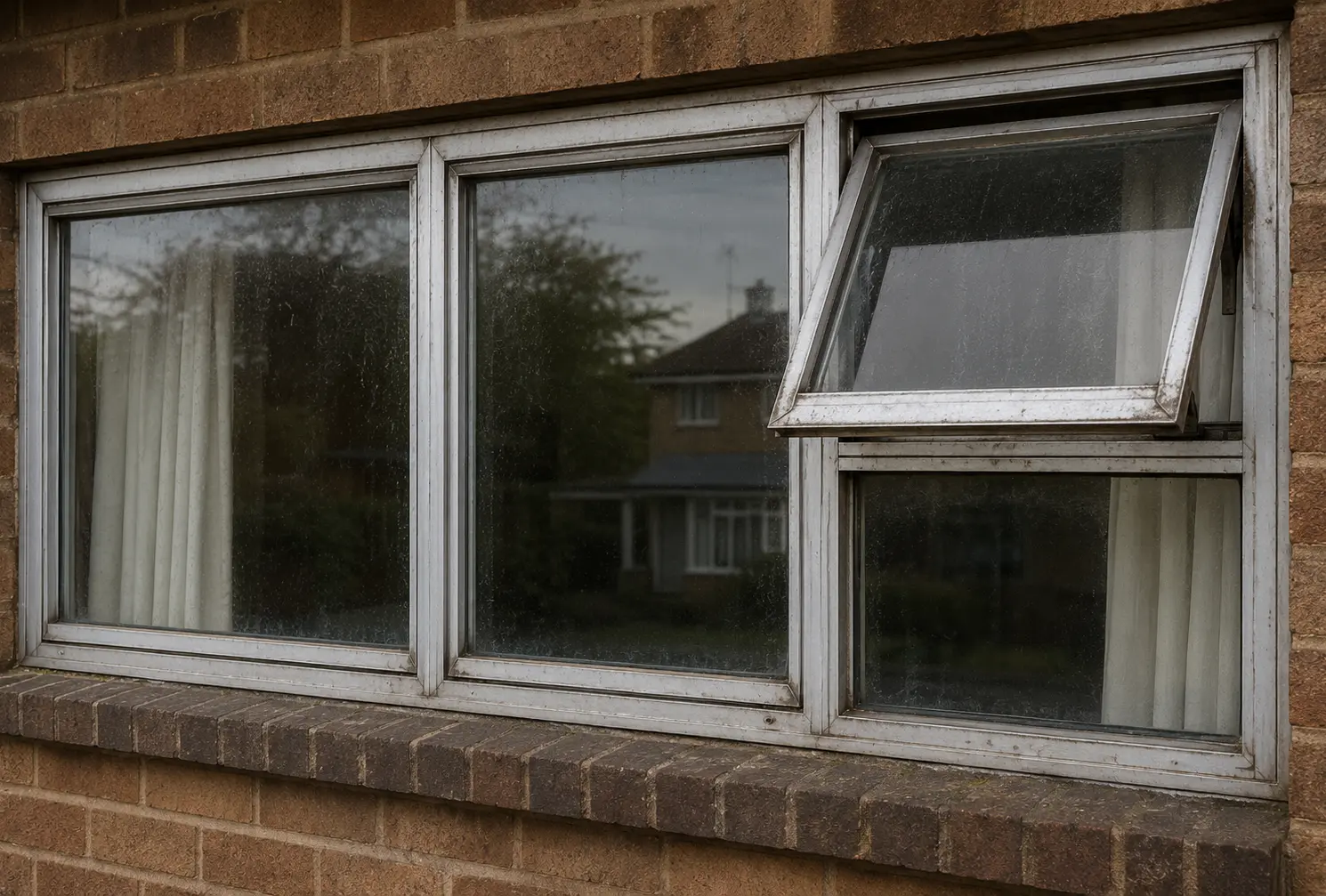
Why Aluminium Windows Used To Have a Poor Reputation
Older aluminium windows from decades ago were often criticised for being cold and inefficient. Aluminium is naturally a conductive material, meaning heat can easily transfer through it.
However, modern aluminium systems are completely different.
Today’s high-quality aluminium windows use advanced thermal break technology, insulated profiles, and energy-efficient glazing to achieve excellent thermal ratings that meet — and often exceed — current UK Building Regulations.
If you have any questions please CALL 01535 603909
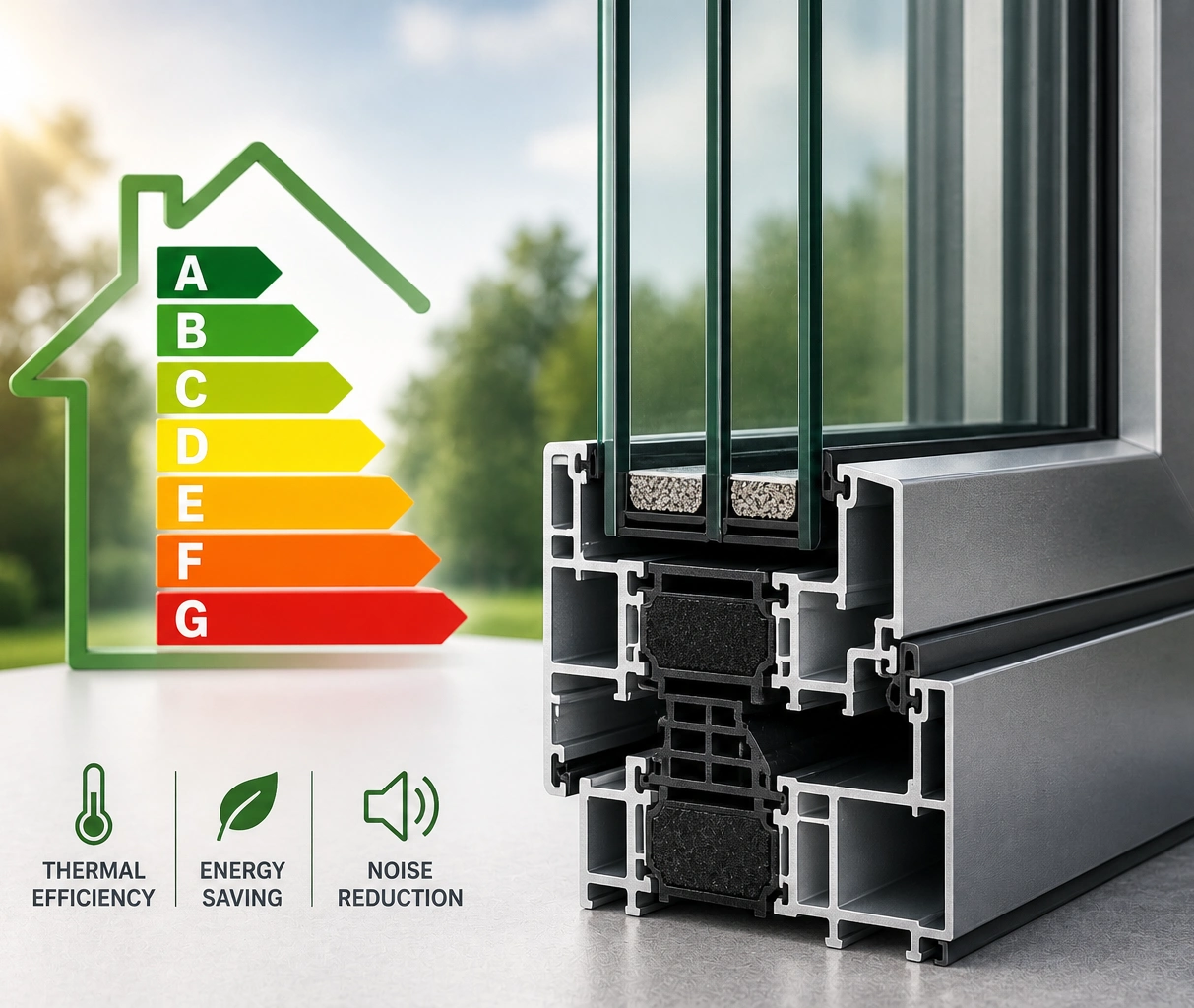
What Is a Thermal Break?
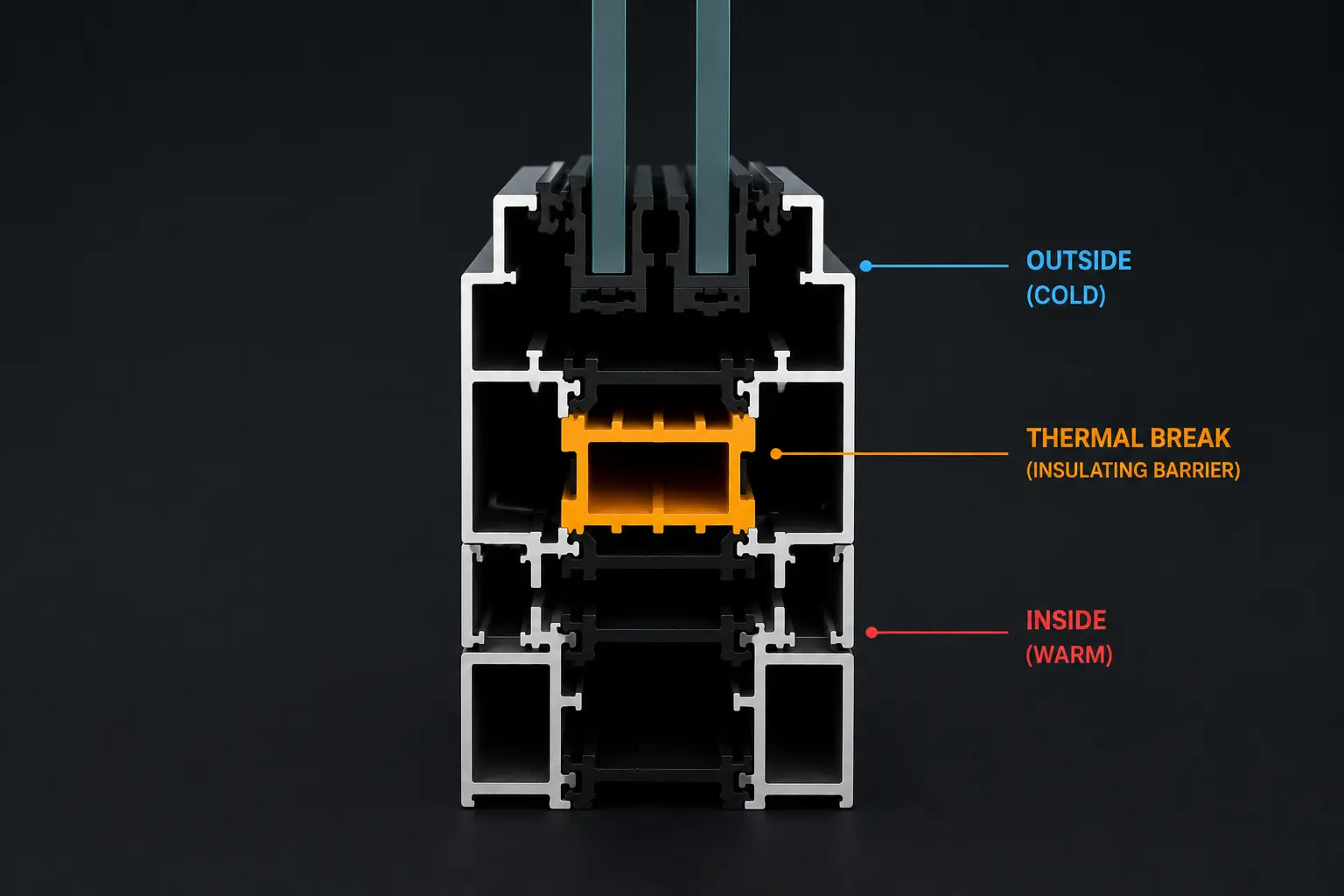
A thermal break is one of the most important components in a modern aluminium window.
It is a non-metallic insulating section placed between the inner and outer parts of the aluminium frame. This barrier reduces heat transfer and helps stop cold temperatures from passing through the frame.
Without a thermal break, aluminium would conduct heat directly from inside to outside.
Modern thermal break technology significantly improves:
- Energy efficiency
- Internal comfort
- Condensation resistance
- Window performance ratings
Marlin offers a range of thermally efficient aluminium window systems designed to meet and exceed modern Building Regulations. Combining advanced thermal break technology, high-performance glazing, and slimline contemporary designs, our aluminium windows deliver outstanding comfort, energy efficiency, and long-term durability.



Understanding U-Values
The most common measurement of thermal performance is the U-value.
The U-value measures how much heat passes through a window. Lower numbers indicate better insulation.
Typical Window U-Values
| Window Type | Approximate U-Value |
|---|---|
| Older single glazing | 4.5 – 5.5 W/m²K |
| Older aluminium windows | 3.0 – 4.0 W/m²K |
| Modern double glazing | 1.2 – 1.6 W/m²K |
| High-performance triple glazing | 0.8 – 1.2 W/m²K |
A modern aluminium window with a quality thermal break and energy-efficient glazing can achieve very competitive U-values.
UK Building Regulations for new windows generally require whole-window U-values around:
U≤1.4 W/m2KU \leq 1.4\ \mathrm{W/m^2K}
Always check whether the quoted figure refers to:
- Whole window U-value
- Centre pane U-value
- Frame-only U-value
Whole-window values provide the most realistic measure of overall performance.
I’d wholeheartedly recommend Marlin Windows. We ordered Steel Replacement French Patio doors and Windows. They are absolutely beautiful. And they were an absolute pleasure to deal with. Thanks Marlin!
Myar Craig-Brown – London
Double Glazing vs Triple Glazing
Both double and triple glazing can improve thermal performance.
Double Glazing
Double glazing uses two panes of glass separated by an insulating gap filled with air or inert gas such as argon.
Benefits include:
- Strong thermal efficiency
- Lower cost
- Slimmer overall units
- Good balance for most UK homes
Triple Glazing
Triple glazing adds a third pane of glass and an additional insulating cavity.
Benefits include:
- Improved insulation
- Better noise reduction
- Enhanced comfort near windows
However, triple glazing is heavier and more expensive, and the improvement may not always justify the extra cost, depending on your property.
The Role of Glass in Thermal Performance
Glass plays a major role in window efficiency.
Modern energy-efficient glazing may include:
- Low-emissivity (Low-E) coatings
- Argon gas filling
- Warm edge spacer bars
- Solar control coatings
Low-E coatings help reflect heat back into the room while still allowing natural light to enter.
Warm edge spacer bars reduce heat loss around the edge of the glazing unit and help minimise condensation.

Air Tightness and Weather Seals
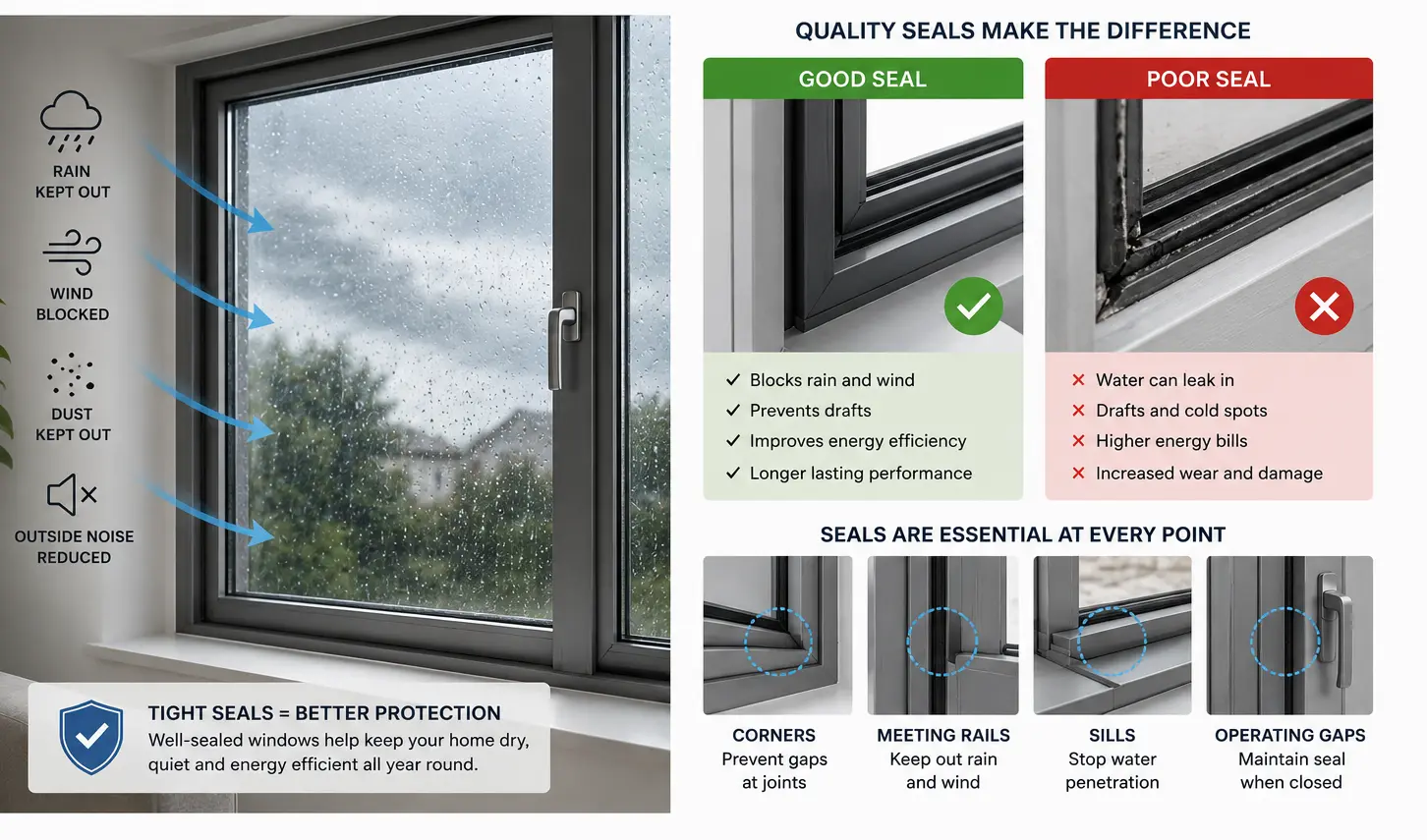
A thermally efficient window must also prevent unwanted draughts.
High-quality aluminium windows use advanced gaskets and weather seals to reduce air leakage. Poorly installed windows can still lose heat even if the glazing and frame are highly rated.
Correct installation is therefore just as important as the product itself.
Condensation and Thermal Performance
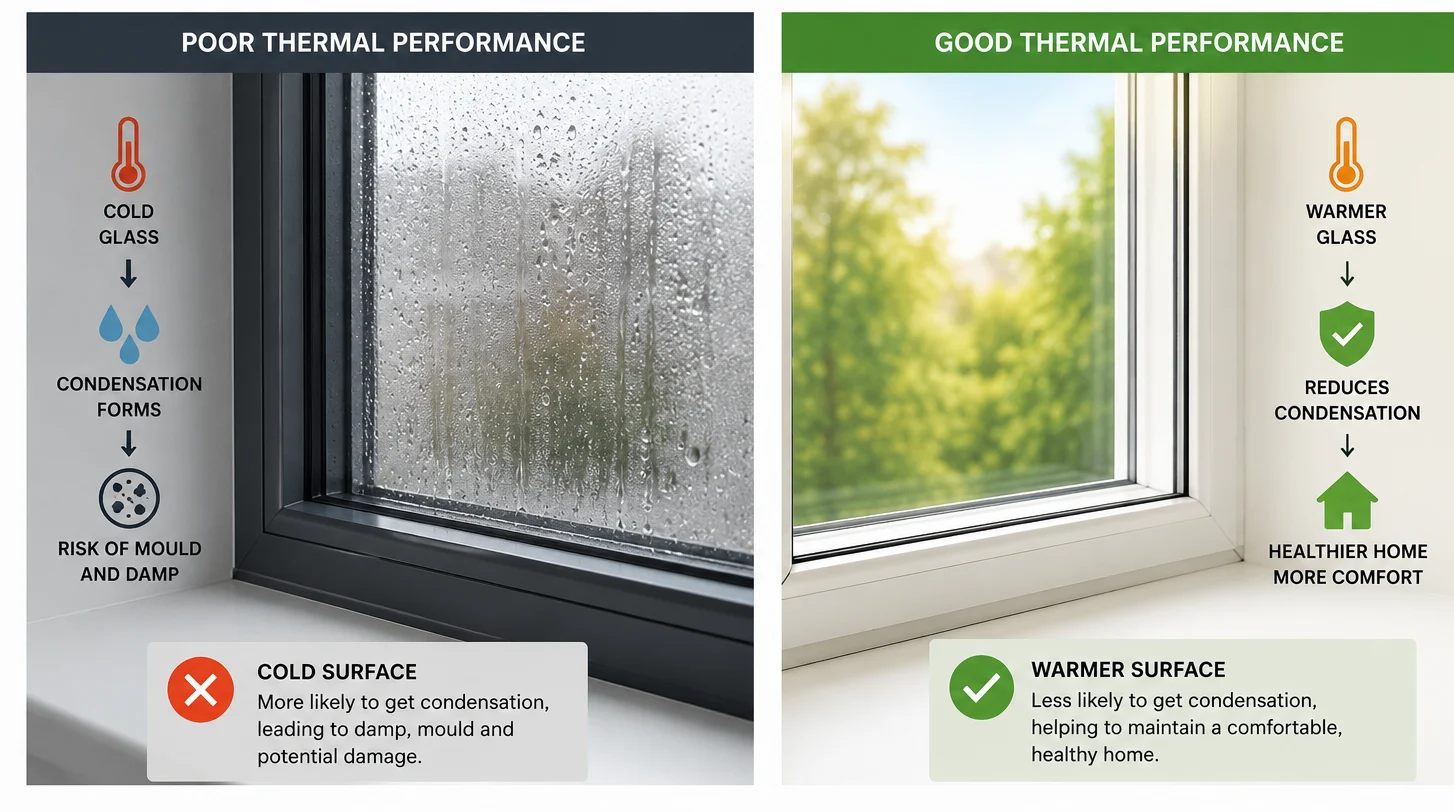
Condensation forms when warm, moist air meets a cold surface.
Better thermal performance helps keep the inside surface of the glass warmer, reducing the likelihood of condensation forming.
However, condensation can also be influenced by:
- Ventilation levels
- Indoor humidity
- Heating patterns
- Property insulation
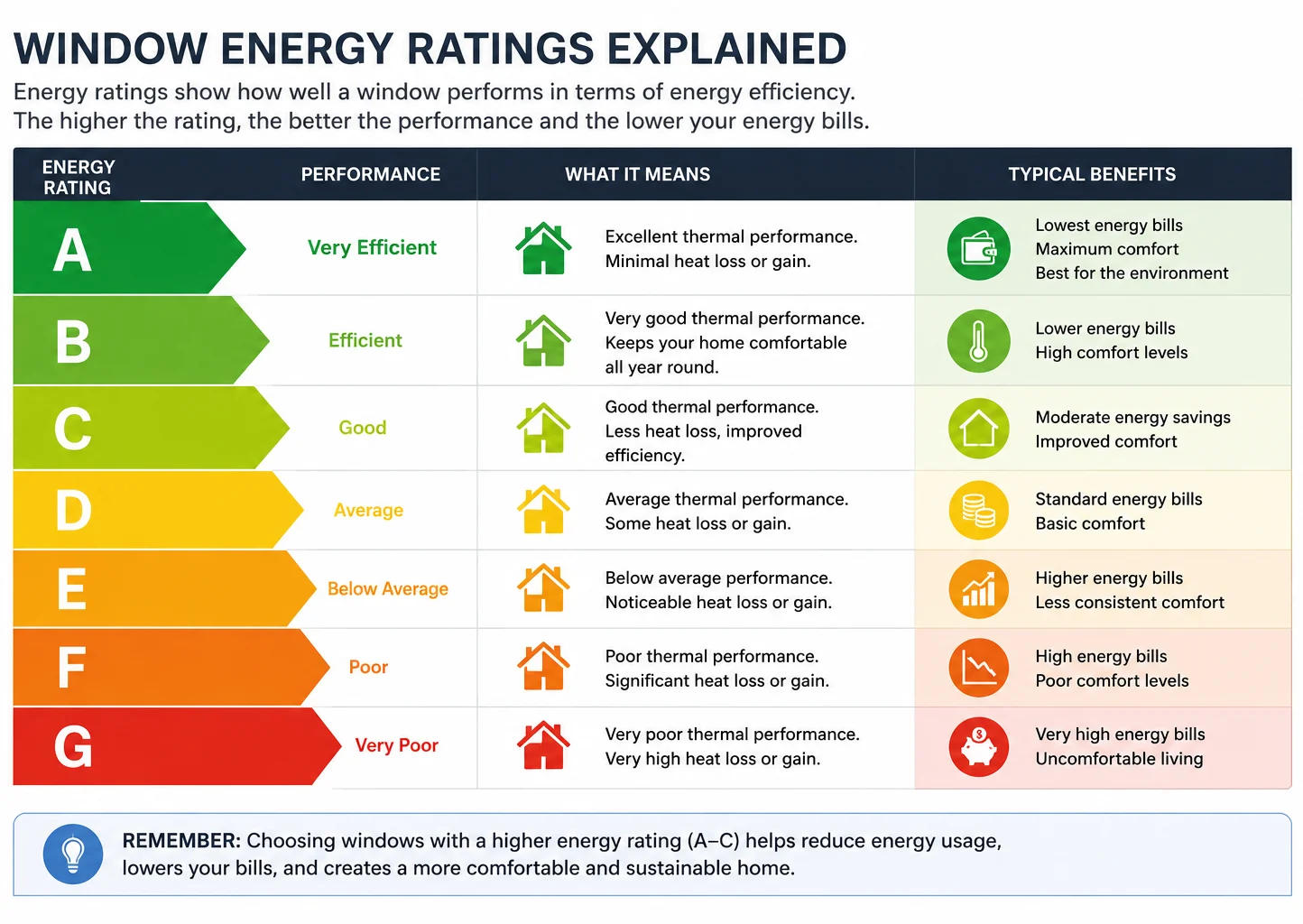
Some windows are also given Window Energy Ratings (WER), often displayed as:
- A++
- A+
- A
- B
- C
These ratings consider:
- Heat loss
- Solar gain
- Air leakage
An A-rated aluminium window can deliver excellent overall efficiency for modern homes.
Our A and A+ Rated Windows:
Are Aluminium Windows Energy Efficient?
Yes — modern aluminium windows are highly energy efficient when designed correctly.
Today’s premium aluminium systems combine:
- Thermal breaks
- Energy-efficient glazing
- Multi-chamber profiles
- Advanced sealing systems
This allows aluminium windows to compete closely with timber and uPVC in thermal performance while offering:
- Slimmer frames
- Greater strength
- Longer lifespan
- Contemporary and period aesthetics

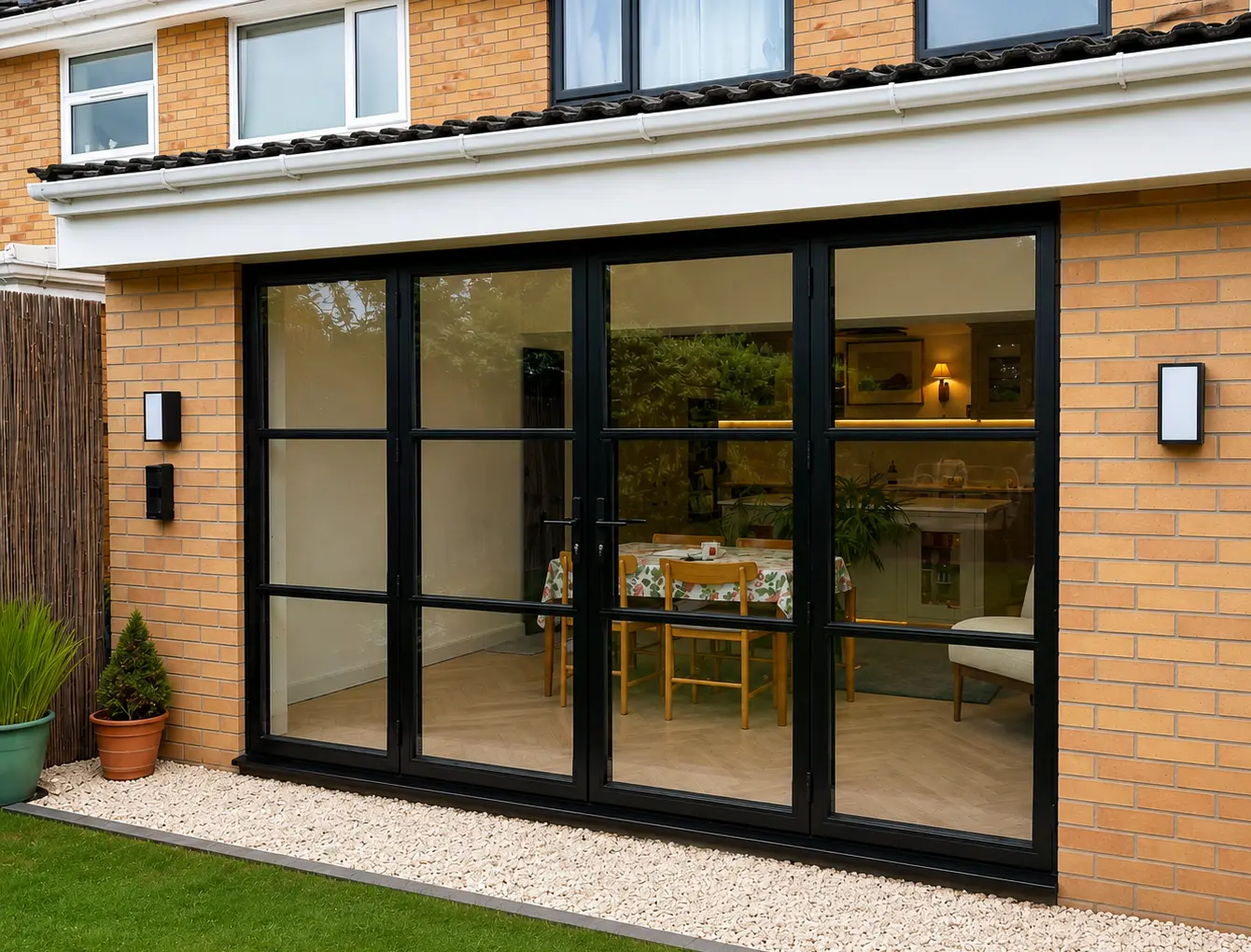
What to Look for When Choosing Aluminium Windows
When comparing aluminium windows, consider:
- Whole-window U-values
- Thermal break quality
- Glazing specification
- Air permeability ratings
- Installation standards
- Manufacturer testing and certification
Avoid choosing purely on frame appearance alone.
Final Thoughts
Modern aluminium windows have evolved significantly and now provide excellent thermal performance alongside sleek aesthetics and long-term durability.
Understanding terms such as thermal breaks, U-values, glazing performance, and energy ratings can help homeowners make more informed decisions when investing in new windows.
Choosing a high-quality aluminium window system with professional installation can improve comfort, reduce energy costs, and enhance the overall efficiency of a property.
Latest projects

CONTEMPORARY WINDOWS
Aluminium Windows and Doors, SIPS HOUSE – Hensall, North Yorkshire

SLIDING DOORS
Cross Hills – Spectacular Eco Friendly Design

Frequently Asked Questions
If you require any support, please don’t hesitate to review our FAQ’s below or drop us a message on our contact form here
Are aluminium windows energy efficient?
Yes. Modern aluminium windows are highly energy efficient thanks to thermal break technology, insulated frame designs, and advanced glazing systems. Today’s premium aluminium systems can achieve excellent thermal performance that meets current Building Regulations.
What is a thermal break in an aluminium window?
A thermal break is an insulating barrier placed between the inner and outer sections of the aluminium frame. It reduces heat transfer through the metal and improves insulation, helping keep homes warmer in winter and cooler in summer.
What U-value should aluminium windows have?
Lower U-values indicate better thermal performance. Most modern aluminium windows achieve whole-window U-values between 1.2 and 1.6 W/m²K, while high-performance systems may achieve even lower figures.
Current UK Building Regulations generally require windows around:
U≤1.4 W/m2KU \leq 1.4\ \mathrm{W/m^2K}
Are aluminium windows better than uPVC for thermal performance?
Modern aluminium windows can now compete closely with high-quality uPVC systems in terms of insulation. Aluminium also offers slimmer sightlines, greater strength, and a more contemporary appearance.
Can aluminium windows keep homes cooler in summer?
Yes. High-performance glazing and thermally efficient frames help reduce solar heat gain, improving comfort during warmer months while maintaining excellent insulation in winter.
Are Aluminium Windows Warm in Winter?
Yes — modern aluminium windows are designed to keep homes warm and comfortable during winter.
Older aluminium windows were often criticised for poor insulation because aluminium naturally conducts heat. However, modern aluminium window systems are completely different thanks to advanced thermal break technology and energy-efficient glazing.
Today’s high-performance aluminium windows typically include:
- Thermally broken frames
- Energy-efficient double or triple glazing
- Low-E glass coatings
- Argon gas-filled glazing units
- Advanced weather seals and airtight gaskets
These features help reduce heat loss, improve insulation, and keep the internal glass surface warmer during colder months.
Come and explore…
Aluminium Bi-fold Doors, Sliding Doors, Contemporary Glazing, Aluminium Heritage Windows and Traditional Steel Replacement Doors


