Art Deco Windows and Doors: A Guide for 1930s Homes
Classic Design · Modern Performance
Art Deco shaped the look of 1930s homes, from slim metal window frames and geometric glazing bars to glazed front doors with stepped and sunburst patterns. Many of those houses still have their original steel windows.
Today, our heritage aluminium windows recreate the look of traditional steel windows, with better insulation and security and far less maintenance.
This guide covers how to recognise original 1930s windows and doors, which details are worth keeping, and what to consider when choosing replacements for your home.
What Are Art Deco Windows?
Art Deco windows are the slim steel windows, with large panes and geometric glazing bars, fitted to British homes and buildings in the 1920s and 1930s. They take their name from Art Deco, a design movement that favoured modern materials, clean lines and bold geometric shapes.
In Britain it shaped cinemas, shops and factories, but most people met it at home, in the suburban semis and suntrap houses built across the country in the 1930s.
Where earlier homes had timber sash windows, Art Deco houses usually had steel windows, with slim frames and large panes split by glazing bars. They made rooms brighter and gave the house a crisp, modern outline.
Many of those original steel windows are still in place. Slimline aluminium gives the same look today, with much better thermal performance and less upkeep.

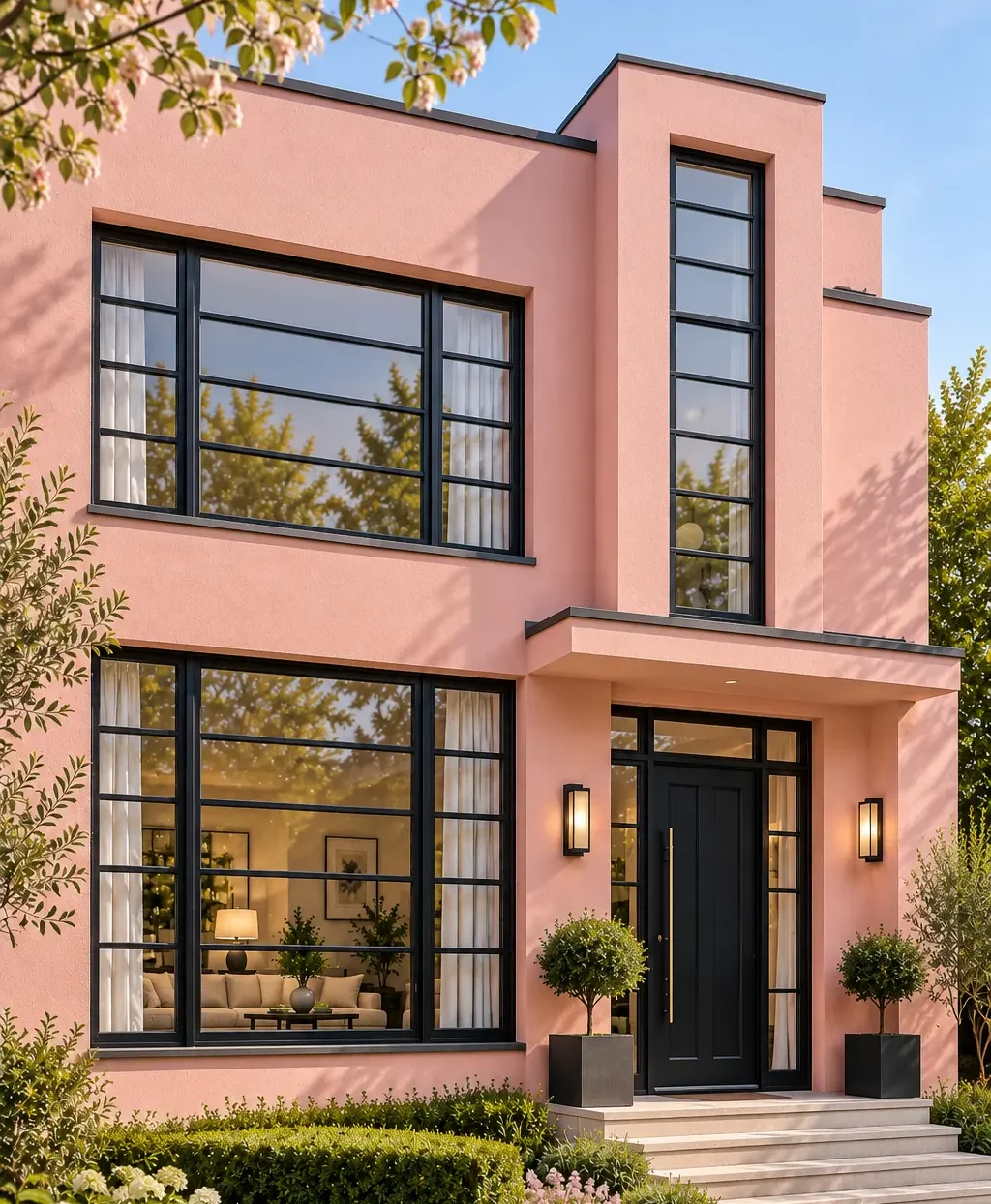
How to Recognise Original 1930s Windows?
These five details are the easiest way to spot an original 1930s window, and the ones worth keeping when you replace it.
1. Slim Metal Frames
Original frames are narrow steel, much slimmer than timber, so more of each opening is glass. If your frames are thin, feel cold to the touch and a magnet sticks to them, they are almost certainly steel.
2. Geometric Glazing Patterns
Horizontal and vertical glazing bars split the glass into neat rectangles, usually arranged symmetrically. On 1930s houses the horizontal lines tend to dominate.
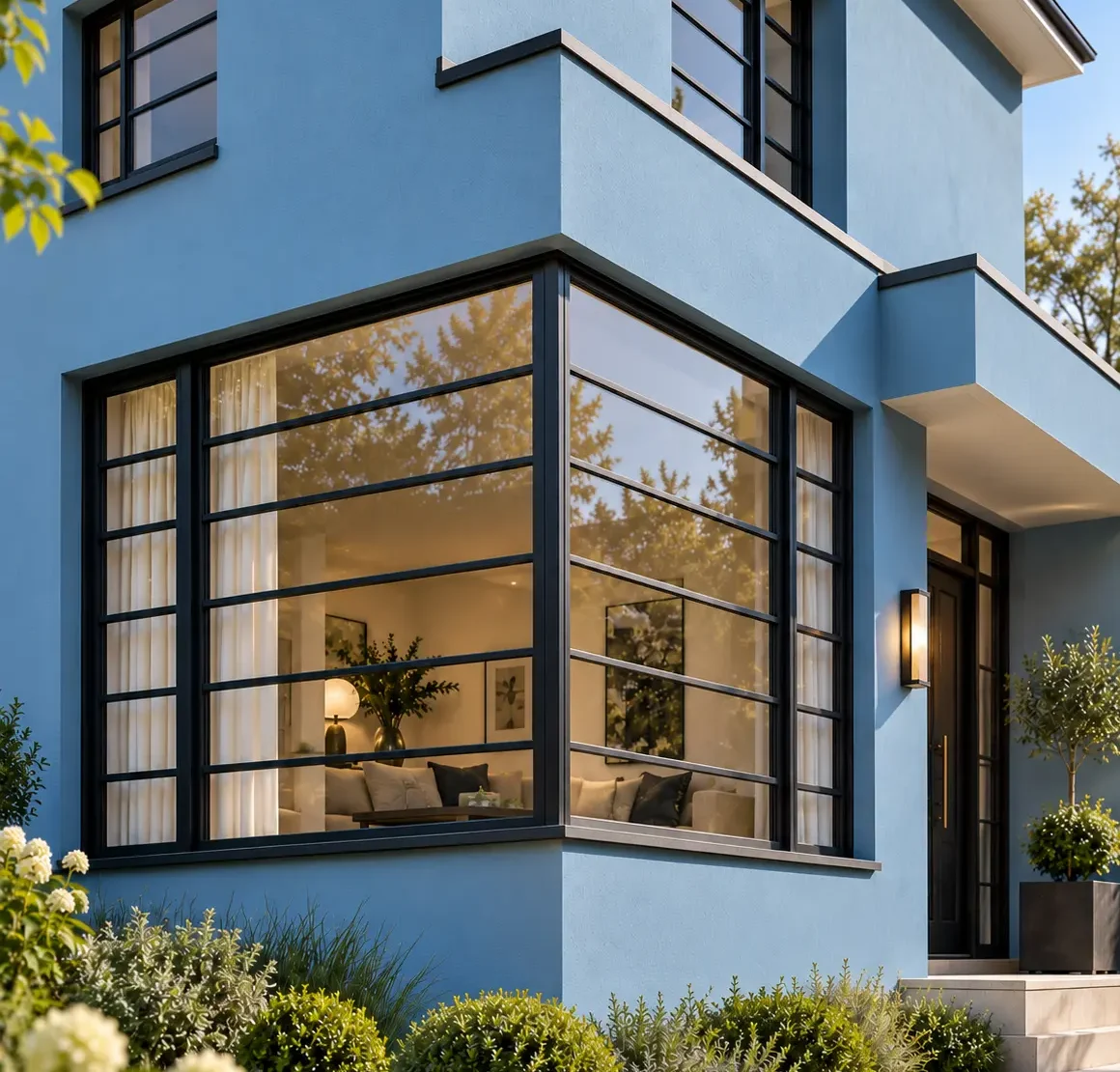
3. Curved and Corner Windows
Curved bays and corner glazing gave many Art Deco buildings their shape. Both were particularly popular in 1930s homes.
4. Dark Window Frames
Black and dark-coloured frames are a classic Art Deco feature. They contrast strongly with brickwork, stone and light-coloured render.
5. Large Areas of Glass
Generous glazing brought daylight deep into the house. Wide window openings are one of the clearest signs of a 1930s home.
1930s and Art Deco Window Styles
1930s style windows fall into four main types, and most homes of the period have a mix of them.
Metal Casement Windows
The most common 1930s window: slim steel frames with side-hung or top-hung opening sections, divided by glazing bars.
Art Deco Bay Windows
Bay windows bring more natural light into a room and add architectural character. Keeping the original glazing pattern and proportions helps preserve their period look.
Corner Windows
Two runs of glazing meet at the corner of the house with only a slim post between them. You get wider views and light from two sides.
Art Deco Fixed Windows
Panes that don’t open, usually set alongside opening casements and divided by the same glazing bars, so the whole window reads as one symmetrical design.
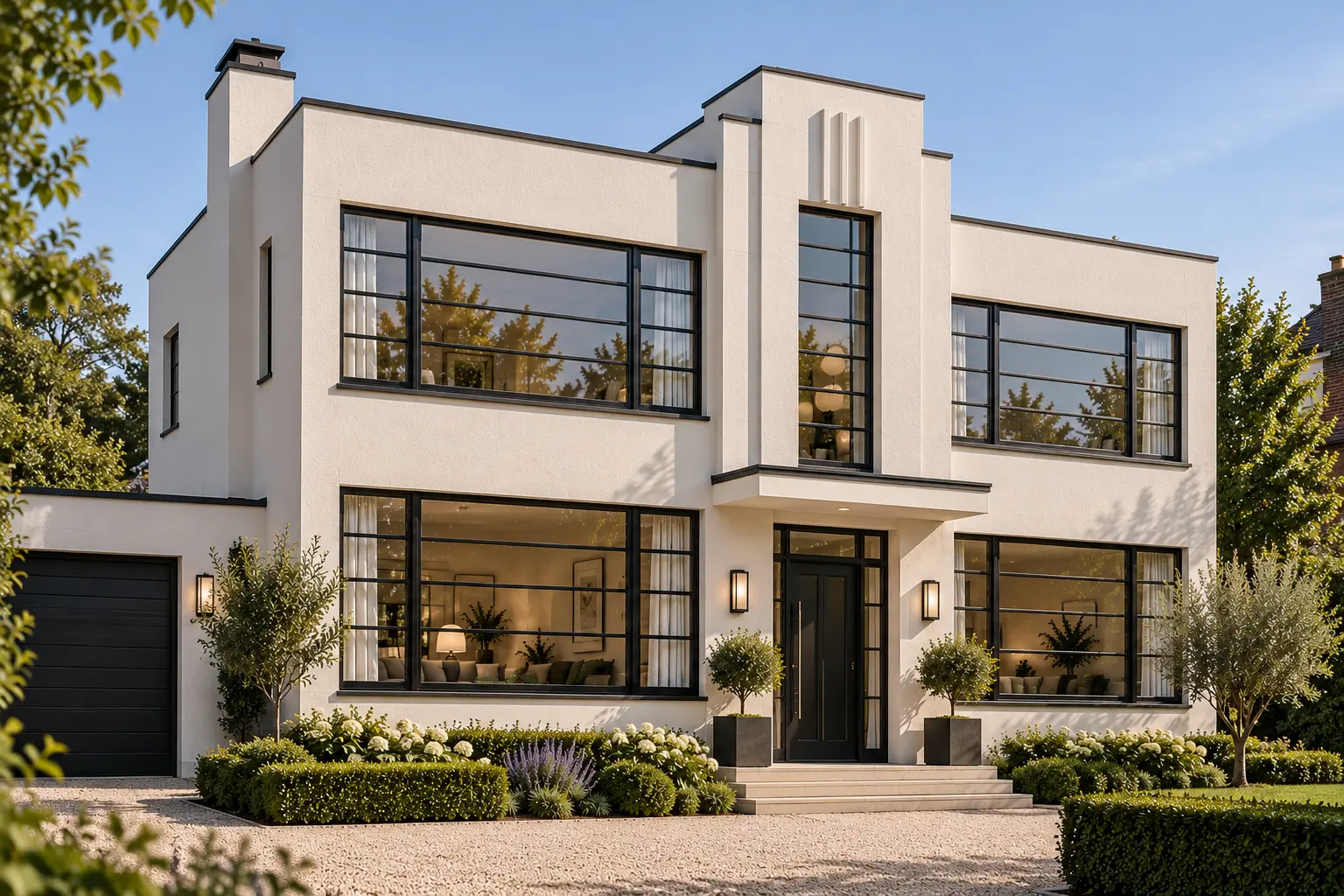
Art Deco Doors for 1930s Homes
Art Deco doors follow the same lines as the windows: slim frames, horizontal glazing bars and a stepped edge around the glass. A typical 1930s Art Deco front door is glazed and set between side panels, and many houses also have French doors opening onto the garden.
Our Sheerline Classic doors have the stepped profile that defines the Art Deco look. We make them as single doors, French doors, side panels and top lights, with horizontal or vertical glazing bars. They meet PAS24 security standards and achieve a U-value of 1.4 W/m²K.
For a flush, steel-look finish, see our full range of heritage aluminium doors. If you need a new entrance door, take a look at our residential front doors. And for glazed doors and screens inside the house, see our steel-look internal doors.
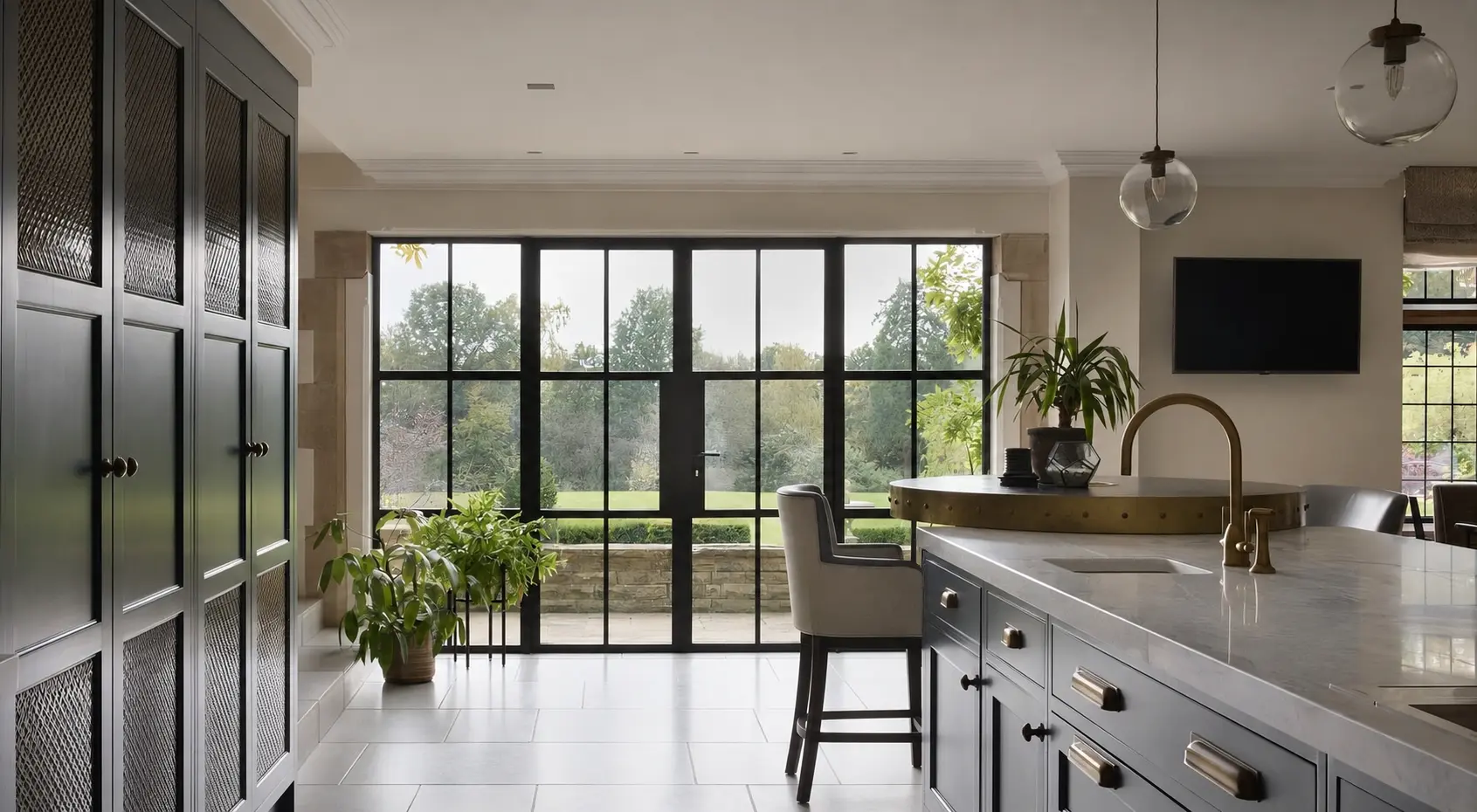

Replacing Original Steel Windows in a 1930s Home
Original steel windows can last a long time. After ninety years, though, many suffer from rust, draughts and heat loss, and single glazing makes rooms cold. Where the frames are too far gone to repair, heritage aluminium is the closest match to the original slim sightlines. It has thermally broken frames and modern locking, and the powder-coated finish won’t rust.
Our guide to replacing original steel windows compares the two materials in detail.
Which Marlin Windows Suit a 1930s Home?
At Marlin Windows, we make two heritage aluminium window systems for 1920s and 1930s properties. Both are made to measure in Keighley.
Sheerline Classic Windows
The stepped Sheerline Classic profile echoes the layered frames of Art Deco joinery, so it’s the closest match for 1930s houses with decorative glazing patterns.
Key benefits include:
- Stepped, steel-look profile in four frame styles
- Horizontal or vertical glazing bars to match your original pattern
- Double-glazed U-value of 1.4 W/m²K
- Triple glazing available on selected profiles
- Made to measure
Alitherm Heritage Windows
Alitherm Heritage has a flush, slim profile designed to replace original steel casements like for like. It’s the better choice where your originals were plain metal casements.
Key benefits include:
- Slim, steel-look frames
- Thermally broken profiles
- Double-glazed U-value of 1.5 W/m²K, or 1.2 W/m²K with krypton-filled triple glazing
- Secure multi-point locking
- Low-maintenance powder-coated finish
- Made to measure
Both ranges come in a choice of colours, including black.

Do You Need Planning Permission to Replace Art Deco Windows?
Replacing Art Deco windows may not need planning permission, but restrictions can apply to listed buildings, conservation areas and properties covered by an Article 4 Direction.
Listed building consent may be needed, particularly where you have to keep the original window design and glazing pattern. Always check with your local planning authority before you order.
Our guides to replacing windows in listed buildings and replacing windows in a conservation area explain what to expect.
How to Choose the Right Art Deco Window Design
When you replace the windows on a 1930s home, the aim is to keep its character while making it warmer and more secure.
Preserve the Original Proportions
Match the original window sizes, pane layout and opening style wherever you can. These matter more to the finished look than the frame material.
Choose Slim Frames
Slim sightlines are what make a 1930s window look right. Heavy frames are the quickest way to lose the period feel.
Consider the Glazing Bars
Copy the original pattern of bars, including how many there are and which way they run.
Select the Right Frame Colour
Black is a classic Art Deco choice and stands out against light-coloured render, brickwork and stone.
Balance Style with Performance
Look for thermally broken frames and multi-point locking, with double or triple glazing, so the windows perform as well as they look.
At Marlin Windows, we understand that every property is different. Whether you’re restoring a 1930s semi or replacing tired steel windows on a period home, our team can help you choose the right windows and glazing for your design and your budget.
Latest projects

HERITAGE WINDOWS AND DOORS
Aluminium Heritage glazing system – Thieves Hollow, Cheshire

HERITAGE WINDOWS AND DOORS
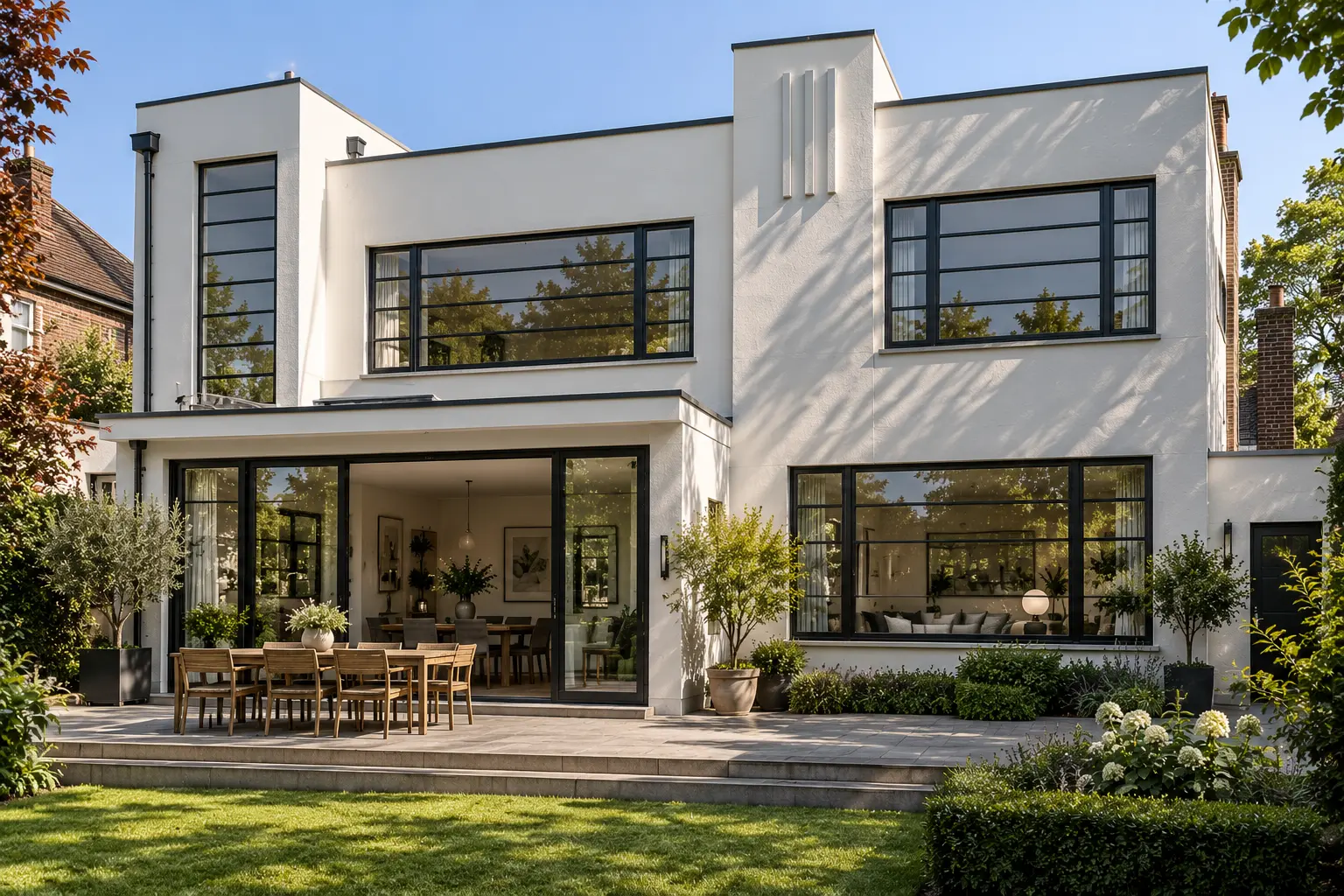
1920's Home – Heritage Aluminium Windows and Doors, Battersea, London
CONTEMPORARY WINDOWS
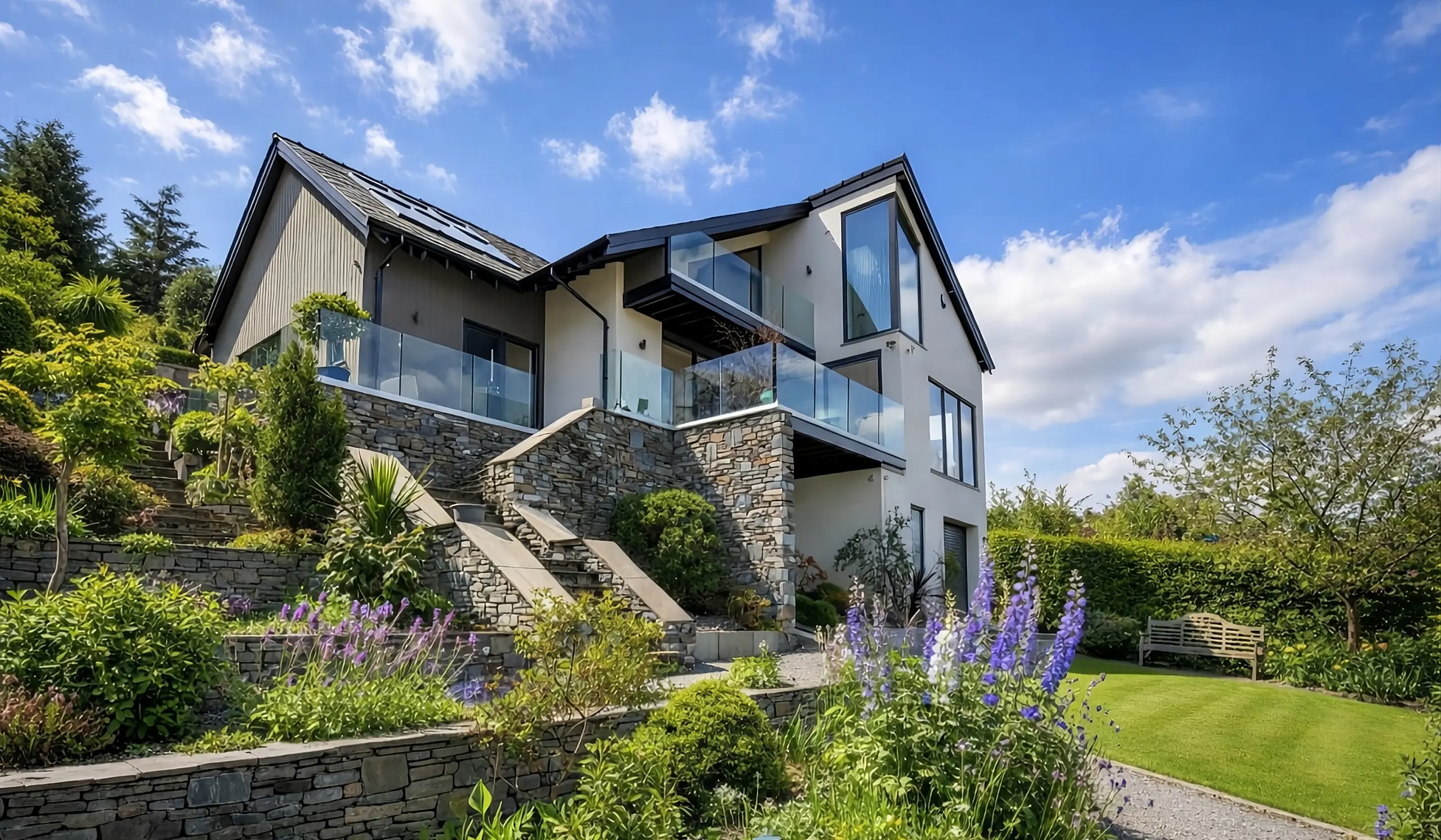
Early 70's Property Renovation, Windermere – Contemporary Glazing
Art Deco Windows and Doors: FAQs
If you need any help, have a look at our FAQs below or send us a message using our contact form.
Are Art Deco windows the same as 1930s windows?
Mostly, yes. Art Deco was at its height in the 1920s and 1930s, and most British homes with Art Deco windows were built in the 1930s. When people talk about 1930s windows, they usually mean slim metal casements with glazing bars.
Were original Art Deco windows made from steel?
Yes, most were. Steel allowed much slimmer frames than timber, and many 1930s windows came from mass-produced standard ranges.
How do I know if my 1930s windows are original?
Original 1930s windows are usually steel. The frames are very slim, feel cold to the touch and a magnet will stick to them. Most are single glazed with several layers of paint. Later aluminium or uPVC replacements have thicker frames and are usually double glazed.
Can you get double-glazed Art Deco windows?
Yes. Both of our heritage window systems are double glazed, and both can be triple glazed (on selected profiles for Sheerline Classic). Our energy-efficient heritage windows guide explains U-values and building regulations in more detail.
What colour should Art Deco window frames be?
Black is the classic Art Deco choice, and it stands out against light-coloured render, brick and stone. Our heritage windows come in a range of colours if you would prefer a different finish.
Do you make Art Deco front doors?
Our Sheerline Classic doors have the stepped profile of Art Deco joinery and come as single doors, French doors, side panels and top lights. We also offer a made-to-measure range of residential front doors. Get in touch and we’ll help you find the right door for your 1930s home.
Recreate the Art Deco Look with Marlin Windows
Whether you’re restoring a 1930s home or replacing ageing steel windows, the right windows and doors make a big difference to how it looks and feels.
Our Alitherm Heritage and Sheerline Classic ranges cover both routes: like-for-like steel replacements, and the stepped profile that suits decorative Art Deco glazing. Every window and door is made to measure at our manufacturing premises in Keighley, West Yorkshire.
Explore our Heritage Aluminium Windows or speak to our experienced team about your project. Call 01535 603909 or request a quote.
Come and explore…
Aluminium Bi-fold Doors, Sliding Doors, Contemporary Glazing, Aluminium Heritage Windows and Traditional Steel Replacement Doors