
Skip to content

Double Glazing vs Triple Glazing – Which Is Better for Your Home?

Your Complete UK Homeowner's Guide to Choosing the Right Glazing

Understanding Your Glazing Options

Choosing new windows is a significant investment in your home. Whether you’re replacing older windows, renovating a period property or building a modern extension, one important decision is whether to choose double glazing or triple glazing.

Both options offer excellent benefits, but there are differences in energy efficiency, noise reduction, cost, weight and overall performance.

In this guide, we’ll explain the differences between double and triple glazing, helping you understand which option is most suitable for your property, budget and lifestyle.

What Is the Difference Between Double and Triple Glazing?

The main difference is the number of glass panes used within the sealed glazing unit.

Double glazing consists of two panes of glass separated by a sealed cavity, usually filled with an insulating gas such as argon.

Triple glazing uses three panes of glass with two insulating cavities between them.

These additional layers can improve thermal insulation and, depending on the glass specification, may provide additional acoustic benefits.

However, more glass doesn’t automatically mean better performance in every situation.

The quality of the glazing, spacer bars, seals and window frames all contribute to how efficiently a window performs.

Whether you’re looking for heritage-inspired elegance, sleek contemporary styling or modern bifold and sliding doors, all Marlin Windows external products can be supplied with either double or triple glazing, giving you the flexibility to achieve the perfect balance of style, comfort and energy efficiency.

1. Which Is More Energy Efficient?

Energy efficiency is a key reason homeowners consider triple glazing. While modern double-glazed aluminium windows already offer excellent insulation, triple glazing can achieve lower U-values and reduce heat loss.

When comparing windows, always consider the complete-window U-value (Uw) rather than just the glass (Ug), as frames and components also affect performance.

Marlin’s advice: A well-designed, high-performance double-glazed aluminium window can outperform a poorly specified triple-glazed alternative.

Understanding U-Values

A U-value measures how quickly heat passes through a building element.

The lower the U-value, the better the insulation.

As a general illustration:

Glazing Type Typical Centre-Pane U-Value
Standard modern double glazing Approximately 1.3–1.6 W/m²K
High-performance triple glazing Approximately 0.9–1.2 W/m²K

2. Does Triple Glazing Make Your Home Warmer?

Triple glazing can help retain more heat inside your home, particularly during colder weather.

Its additional insulating cavity reduces heat transfer through the glass, which can help maintain more comfortable internal temperatures.

Potential benefits include:

  • Reduced heat loss through windows
  • Warmer internal glass surfaces
  • Improved comfort near large glazed areas
  • Reduced cold spots around windows
  • Potential reductions in heating demand

However, the difference homeowners actually notice will depend on the rest of the property.

For example, if a house has poorly insulated walls, an uninsulated roof or significant draughts, improving those areas may deliver greater benefits than upgrading from high-performance double glazing to triple glazing.

In a well-insulated modern home, triple glazing may provide a more noticeable additional benefit.

Does Triple Glazing Make Your Home Warmer?
Is Triple Glazing Better for Noise Reduction?

3. Is Triple Glazing Better for Noise Reduction?

Many homeowners assume that triple glazing automatically provides better sound insulation.

This isn’t always the case.

Although triple glazing contains an additional pane of glass, acoustic performance depends on several factors, including:

  • The thickness of each glass pane
  • Differences in glass thickness
  • The width of the glazing cavities
  • Whether acoustic laminated glass is used
  • The quality of the window seals
  • The installation and surrounding construction

Specialist acoustic double glazing can sometimes outperform standard triple glazing.

If your home is close to a busy road, railway or other source of external noise, it is worth considering glazing specifically designed for sound reduction.

Marlin’s advice: If noise reduction is your main priority, ask about acoustic glazing rather than assuming triple glazing will automatically be the best solution.

4. How Much More Does Triple Glazing Cost?

Triple glazing generally costs more than double glazing because it requires additional glass, more materials and potentially more substantial supporting components.

The final price depends on several factors:

  • Window size and configuration
  • Aluminium frame system
  • Glass specification
  • Required thermal performance
  • Opening mechanisms and hardware
  • Installation requirements

Triple-glazed units are also heavier, which can influence the choice of frames, hinges and operating mechanisms.

Not every aluminium window or door system is designed to accommodate triple glazing.

For this reason, it is important to check product compatibility before making a decision.

Although triple glazing may offer improved insulation, the additional cost should be considered alongside the potential energy savings.

For many UK homes, high-performance double glazing provides an excellent balance between price, comfort and energy efficiency.

5. Is Triple Glazing Better for Aluminium Windows?

Modern aluminium windows have changed considerably in recent years.

Today’s high-performance aluminium systems incorporate thermal breaks, advanced glazing technology and carefully engineered seals to reduce heat transfer.

This means aluminium windows can achieve excellent thermal performance with suitable double-glazed units.

Triple glazing can improve performance further when the aluminium system has been specifically designed and tested to accommodate it.

However, suitability depends on the particular window system.

Important considerations include glazing thickness, maximum permitted glass weight, hardware capacity and certified thermal performance.

At Marlin, we believe the most important factor is choosing the right complete window system for your property, rather than focusing solely on the number of glass panes.

Customer Feedback · Bi-Fold Doors

What Our Customers Say

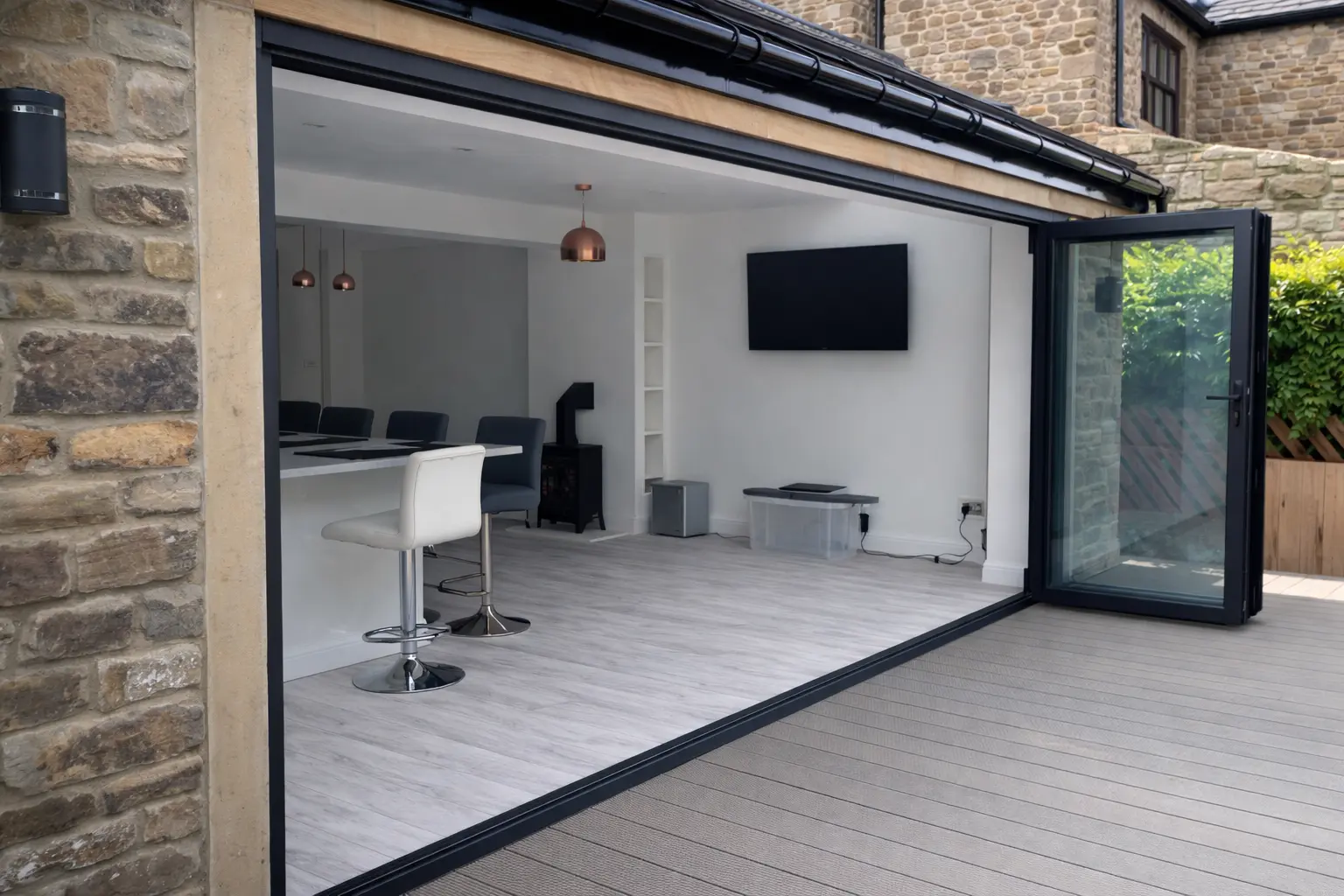
Aluminium bi-fold doors installed by Marlin Windows for Helen Nellist
★★★★★
“Would highly recommend Marlin windows. Installed bifold doors with meticulous planning and precision. Had a tour of the workshop and assisted through the purchase and installation process ensuring perfect fit of clearly an excellent aluminium product. Can’t recommend enough! Our builder said they were the best supplier and fitter they had ever used”.

Helen Nellist

Haworth, West Yorkshire

6. Does Triple Glazing Reduce Condensation?

Condensation occurs when moisture in the air comes into contact with a surface cold enough for water droplets to form.

Because triple glazing can maintain a warmer internal glass surface, it may reduce the likelihood of condensation forming on the room-facing pane.

However, condensation is also influenced by indoor humidity, ventilation and heating.

Neither double nor triple glazing can eliminate condensation in every situation.

It is also worth remembering that external condensation can occasionally appear on highly insulated glazing.

This is not necessarily a fault. It can occur because the outer pane remains relatively cool while the glazing prevents heat escaping from inside the property.

Does Triple Glazing Reduce Condensation?

7. What About Building Regulations?

Replacement windows and doors in England must comply with applicable Building Regulations, including requirements relating to energy efficiency.

Approved Document L provides guidance on the conservation of fuel and power, including thermal performance standards for windows and doors.

Importantly, Building Regulations do not generally require every replacement window to be triple glazed.

Modern, properly specified double-glazed windows can meet the relevant requirements.

Requirements may differ according to whether the work involves replacement windows, a new extension or a new-build property.

Different rules can also apply in Scotland, Wales and Northern Ireland.

For listed buildings and certain traditional properties, additional considerations may be necessary to protect architectural character and historic fabric.

Marlin’s advice: Always consider the performance of the complete window and the applicable regulations for your particular project.

9. Double Glazing vs Triple Glazing – Quick Comparison

Feature Double Glazing Triple Glazing
Number of glass panes Two Three
Insulating cavities One Two
Thermal insulation Very good Potentially better
Noise reduction Excellent with suitable acoustic glass Depends on specification
Weight Lighter Heavier
Cost Generally lower Generally higher
Frame compatibility Widely available System-dependent
Suitable for UK homes Yes Yes, where appropriate
Installation Generally less demanding May require additional consideration
Cozy home with high thermal performance windows and doors

10. Is Triple Glazing Worth the Extra Money?

For some homeowners, triple glazing is a worthwhile investment.

It may be particularly attractive for highly insulated new-build homes, properties designed to minimise heating demand or projects where achieving very low U-values is a priority.

However, it isn’t automatically the best option for every home.

High-performance double glazing can already provide excellent insulation, comfort and durability.

The additional cost of triple glazing may not always be recovered through reduced heating bills within a reasonable period.

The decision should therefore be based on the overall window specification, property requirements and available budget.

Choosing the Right Glazing

Double Glazing or Triple Glazing?

Both options can deliver excellent results. The best choice depends on your home, budget and the performance requirements of your windows and doors.

Practical Performance & Value

When Double Glazing May Be the Better Choice

Modern double glazing offers excellent thermal performance and remains a popular choice for many UK homes. It can be particularly suitable when:

  • Replacing existing windows as part of a home improvement project.
  • Working within a planned renovation budget.
  • Choosing heritage-style aluminium windows and doors.
  • Installing large sliding or bi-folding doors where glass weight and system compatibility are important.
  • Looking for a practical balance of energy efficiency, comfort and value.

For many homeowners, high-performance double glazing provides an excellent combination of insulation, natural light and everyday practicality.

Enhanced Thermal Performance

When Triple Glazing May Be Worth Considering

Triple glazing offers the potential for improved thermal insulation and may be worth exploring for properties with more demanding energy-efficiency requirements. It can be particularly beneficial when:

  • Building a highly energy-efficient new home.
  • Working towards specific thermal performance targets.
  • Incorporating large glazed areas into a well-insulated property.
  • Looking to reduce heat loss and improve comfort near windows.
  • Choosing aluminium window systems specifically designed to accommodate triple-glazed units.

Triple glazing is generally heavier and more expensive, and not every window or door system is designed to accommodate it.

Customer Feedback · Contemporary Glazing

Another 5-Star Project

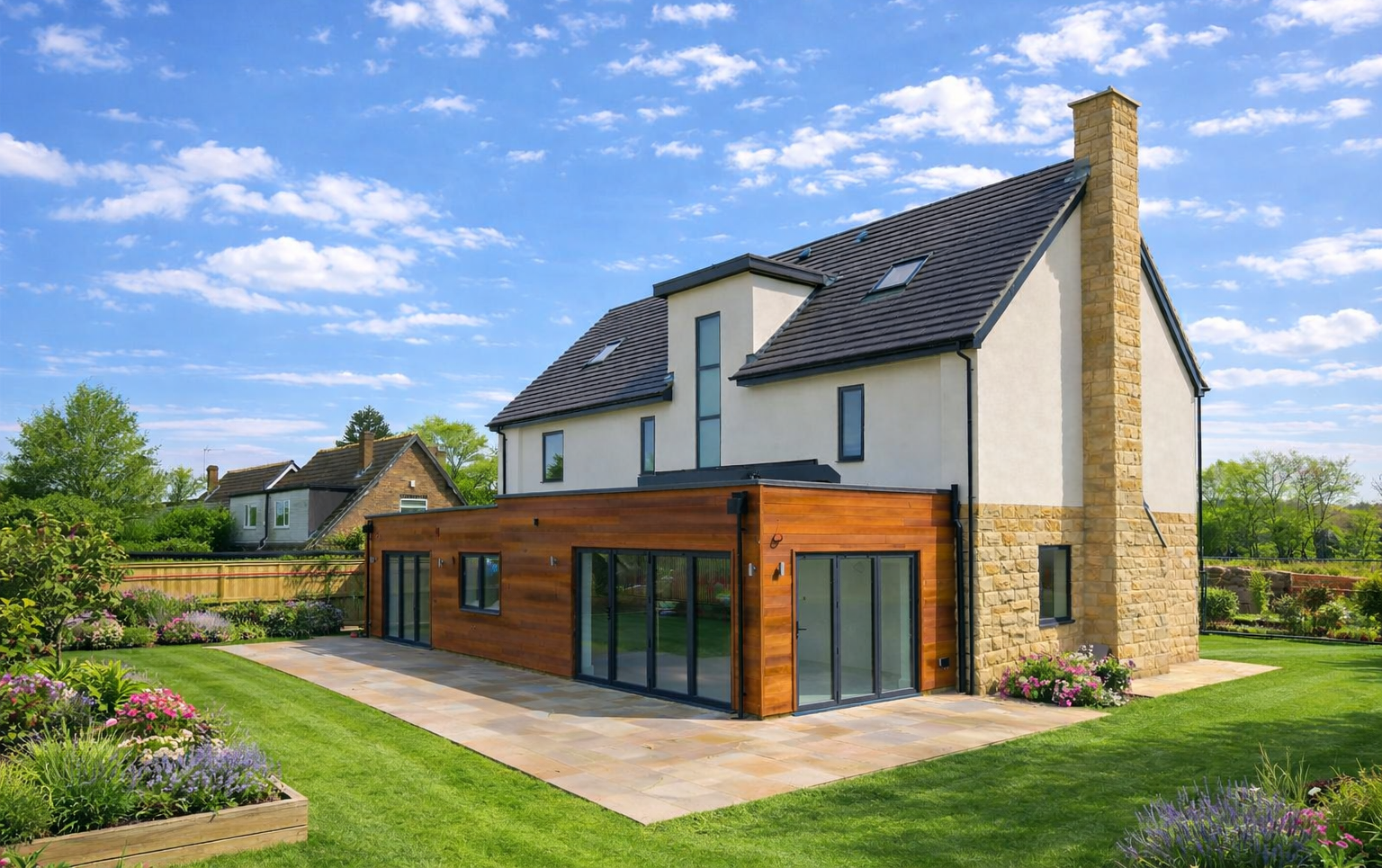
Curley Hill new-build home in Ilkley featuring contemporary aluminium glazing by Marlin Windows

★★★★★

“Marlin immediately impressed us with their knowledge and passion for the products they manufacture with attention to detail on the inside and outside. They work hard to give the client the very best service and they are honest and straight forward to deal with. We are delighted that we chose to appoint Marlin Windows.”

Rob Storton

Ilkley, West Yorkshire

View Project →

At Marlin Windows, we understand that every property is different.

Whether you’re replacing windows in a traditional home, renovating a period property or creating a contemporary extension, choosing the correct aluminium window and glazing specification is essential. Our team can help you explore suitable options for your project, taking into account design, thermal performance, practical requirements and budget. Contact Marlin Windows to discuss your project and discover the right aluminium windows and doors for your home.

Frequently Asked Questions

If you require any support, please don’t hesitate to review our FAQ’s below or drop us a message on our contact form here

Is triple glazing always better than double glazing?

No. Triple glazing can offer better thermal insulation, but the overall performance depends on the glass specification, frame system and installation. High-performance double glazing may be the more practical or cost-effective choice for some properties.

Will triple glazing reduce my heating bills?

It may help reduce heating demand by limiting heat loss through windows. However, actual savings depend on the building’s insulation, heating system, window area and energy usage.

Is triple glazing much heavier?

Yes. An additional pane of glass increases the weight of the sealed unit. This may affect frame selection, hinges, hardware and maximum permitted sizes.

Can I install triple glazing in existing aluminium frames?

Not necessarily. The frame must be designed to accommodate the thickness and weight of the glazing unit. Existing frames should be assessed before considering an upgrade.

Is double glazing suitable for listed buildings?

Potentially, yes. Suitability depends on the historic significance of the property, the existing windows and any necessary listed building consent. Slimline heritage aluminium systems may be appropriate for certain projects, subject to the relevant approvals.

If you’re renovating a historic property, our Replacing Windows in Listed Buildings guide explains the additional considerations and approvals that may apply.

Does triple glazing stop outside noise?

Not completely. Triple glazing may improve acoustic performance in some configurations, but specialist acoustic glazing is often a more effective solution when noise reduction is the main objective.

Come and explore…

Aluminium Bi-fold Doors, Sliding Doors, Contemporary Glazing, Aluminium Heritage Windows and Traditional Steel Replacement Doors

Marlin Windows
Privacy Overview

This website uses cookies so that we can provide you with the best user experience possible. Cookie information is stored in your browser and performs functions such as recognising you when you return to our website and helping our team to understand which sections of the website you find most interesting and useful.