Aluminium vs uPVC Windows: Which Is Best for Your Home?
When comparing aluminium vs uPVC windows, the best choice depends on what matters most to you. If you want slimmer frames, a more premium finish, a longer lifespan and stronger sustainability credentials, aluminium usually comes out on top. uPVC is often more appealing as a budget-friendly option with strong thermal performance and a look synonymous with many modern homes.
In this guide, we break down the difference between aluminium and uPVC windows across the areas homeowners ask about most: how they differ, style and looks, price, longevity and sustainability.
uPVC vs Aluminium Windows: Key Differences
| Feature | uPVC Windows | Aluminium Windows |
|---|---|---|
| Cost | Lower cost | Higher cost due to more expensive materials and manufacturing |
| Appearance | Slightly thicker frames but available in modern styles and colours | Slimmer frames, larger glass panels, more natural light, modern look |
| Energy Efficiency | Naturally excellent insulation | Uses thermal breaks to improve insulation |
| Energy Ratings | Can achieve high ratings with double or triple glazing | Also achieves high ratings with modern glazing systems |
| Durability | Lifespan typically 20–30 years | Lifespan typically 30–40+ years |
| Weather Resistance | Resistant to moisture and corrosion | Very strong and highly weather resistant |
| Maintenance | Low maintenance – occasional cleaning and checking seals | Low maintenance – occasional cleaning and checking seals |
| Recycling & Environmental Impact | Recyclable but recycling process is more complex; some waste may go to landfill if not processed properly | 100% recyclable, can be reused repeatedly without losing quality; longer lifespan helps reduce long-term environmental impact |
How are aluminium and uPVC windows different?
The main difference between aluminium and uPVC windows is the material they are made from, and that affects everything from appearance to durability.
Aluminium is a lightweight metal widely used in modern architecture and refurbishment projects. It is known for its high strength, slim sightlines and ability to support larger panes of glass without compromising stability. That makes it a popular choice for heritage homes, extensions and projects where design plays a major role.
uPVC is a rigid plastic material that has been used in residential properties for decades. It remains a popular option because it is practical, cost-effective and naturally insulating. For many homeowners, it offers a reliable all-round solution at a more accessible price point.
In simple terms, uPVC tends to be chosen for value and solid performance, while aluminium is usually chosen for aesthetics, strength, lifespan and a more premium feel.

Style and looks
For many homeowners, appearance is one of the biggest deciding factors.
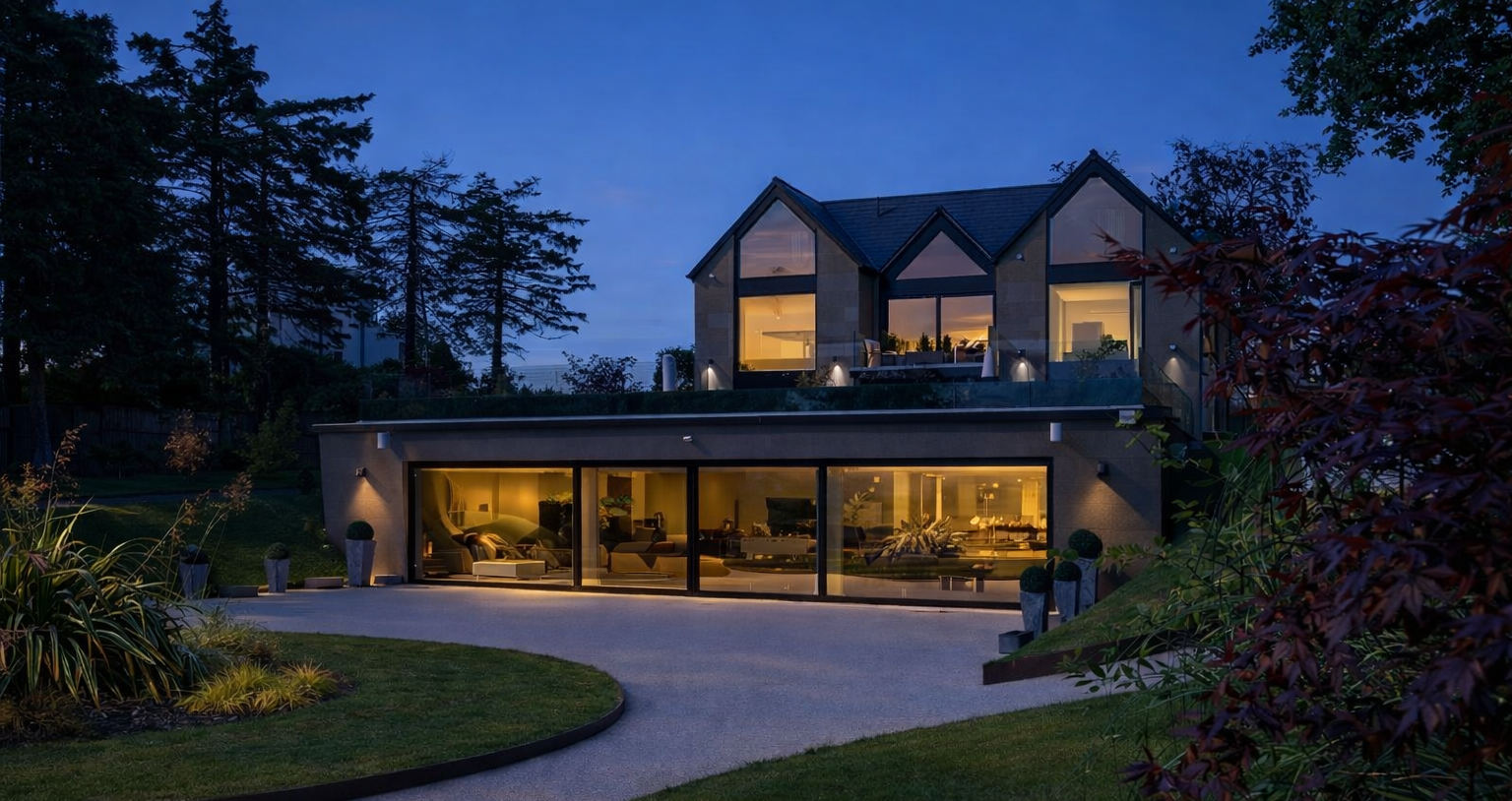
Aluminium windows are well known for their slimmer frames and cleaner, more architectural finish. Because aluminium is such a strong material, it can hold larger panes of glass while keeping the frame profile neat and refined.
This allows more natural light into the home and creates a sleek, contemporary look that works particularly well in modern renovations, extensions and open-plan spaces.
Aluminium also offers greater design flexibility. At Marlin Windows, our aluminium profiles are available in a wide choice of colours and finishes, helping homeowners achieve anything from a bold modern statement to a subtler, more classic look. The material’s malleability also makes it ideal for tailored, design-led projects.
uPVC windows still suit many homes and remain a smart visual choice for standard residential installations, but they generally have thicker frames and fewer colour and finish options. They can look neat and tidy, but they do not usually deliver the same slim, high-end appearance as aluminium.
If your priority is visual impact, minimal sightlines and a more contemporary finish, aluminium is typically the stronger option.
Price
In most cases, Aluminium windows are more expensive than uPVC windows.
That higher price reflects the material itself, as well as the manufacturing processes involved. Aluminium is a premium product, and homeowners are often paying for stronger frames, a longer expected lifespan and a more design-focused finish.
uPVC is generally a more budget-friendly glazing option, which makes it appealing for cost-conscious upgrades or larger replacement projects where keeping the overall spend under control is important.
That said, it is worth looking beyond the initial purchase price alone. The cheapest option upfront is not always the best long-term value. If your priorities include larger glazed areas, slimmer frames, a premium aesthetic and longer durability, aluminium can represent a better investment over time.
We often find that the right decision comes down to balancing budget with the look, performance and lifespan you want from your windows.

Longevity and durability
When it comes to long-term durability, aluminium has a clear edge.
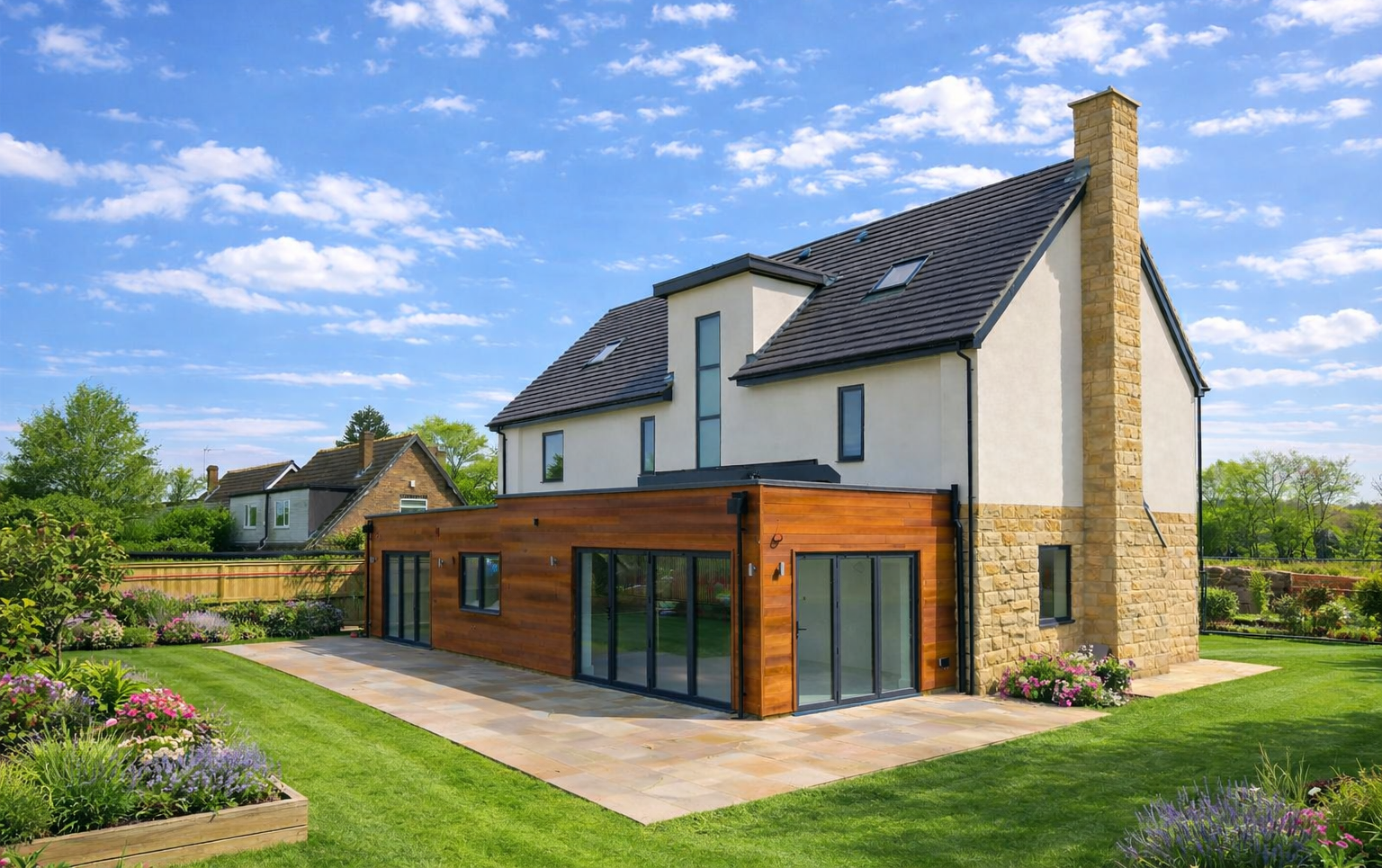
Aluminium offers excellent structural strength with a tensile strength 2x that of uPVC. As a result, aluminium stays rigid over time, supports large panes of glass and performs well in severe temperature fluctuations. This makes it particularly well-suited to homeowners who want strong, dependable frames that will keep their shape and appearance over the long term.
In lifespan terms, aluminium windows often last 30 to 40 years or more.
uPVC is also strong and weather-resistant, and for many homes it performs perfectly well for years. However, it is generally not as structurally robust as aluminium and can be more prone to movement or warping in extreme heat. With proper care, uPVC windows typically last around 20 to 30 years.
This is one of the key reasons many homeowners choose aluminium from Marlin Windows. Our aluminium systems are designed with long-term performance in mind, supported by rigorous in-house quality control and final inspection checks.
The powder-coated finish on our aluminium profiles is applied by our systems suppliers to Qualicoat Seaside Class standards and is guaranteed for 25 years, giving added reassurance on finish durability as well as day-to-day performance.
So, if longevity is high on your list, aluminium is usually the better choice.
Maintenance and weather resistance
Both aluminium and uPVC are considered low-maintenance window materials, which is a major benefit for busy homeowners.
Aluminium requires very little ongoing care beyond occasional cleaning, and it is highly durable in everyday use. It is also resistant to rust and corrosion caused by modern industrial pollutants, making it a practical long-term option. You can also specify our aluminium windows and doors with internal blinds, making maintenance even easier!
uPVC is similarly easy to maintain and is often praised for its wipe-clean convenience. It performs well in typical residential conditions and remains a straightforward, fuss-free choice for homeowners who want minimal upkeep.
Quality is central to how our aluminium systems are manufactured. Our in-house processes are closely monitored, and each completed product undergoes visual and mechanical final inspection checks before being certified for use. That attention to detail is an important part of ensuring performance over time.

Sustainability
Sustainability is an increasingly important consideration, and this is another area where aluminium stands out.
Aluminium is fully recyclable without losing quality, and recycled aluminium uses only a small fraction of the energy required to produce primary aluminium from raw materials. It is one of the most recyclable construction materials available, which makes it a strong choice for homeowners looking to reduce long-term environmental impact.
Aluminium combines durability, low maintenance and long service life with excellent recyclability, making it a smart option for projects where sustainability is a priority.
uPVC can also be recycled, but the picture is more mixed. Recycling systems and processing costs vary by region, and the material is not biodegradable. If it ends up in landfill, it can remain there for centuries.
For homeowners weighing up aluminium vs uPVC windows on environmental grounds, aluminium is generally the more sustainable long-term choice.
Sound insulation
Noise reduction is often an overlooked factor when choosing new windows, but it can make a real difference to comfort at home.
uPVC frames can naturally help reduce noise, partly because of they require thicker profiles, adding more insulation. Aluminium also performs very well when paired with the right glazing and acoustic seals.
Similar to thermal performance, a bigger factor on the overall insulation would be the choice of glazing, with triple-glazing up to 50% quieter than equivalent double-glazed panes.

Aluminium vs uPVC windows: which should you choose?
There is no universal answer, because the right choice depends on your budget, property style and long-term priorities.
Choose uPVC windows if you want a more affordable option, naturally strong insulation and very low maintenance for a practical residential upgrade.
Choose aluminium windows if you want slimmer frames, a more premium appearance, stronger structural performance, a longer lifespan and better sustainability credentials.
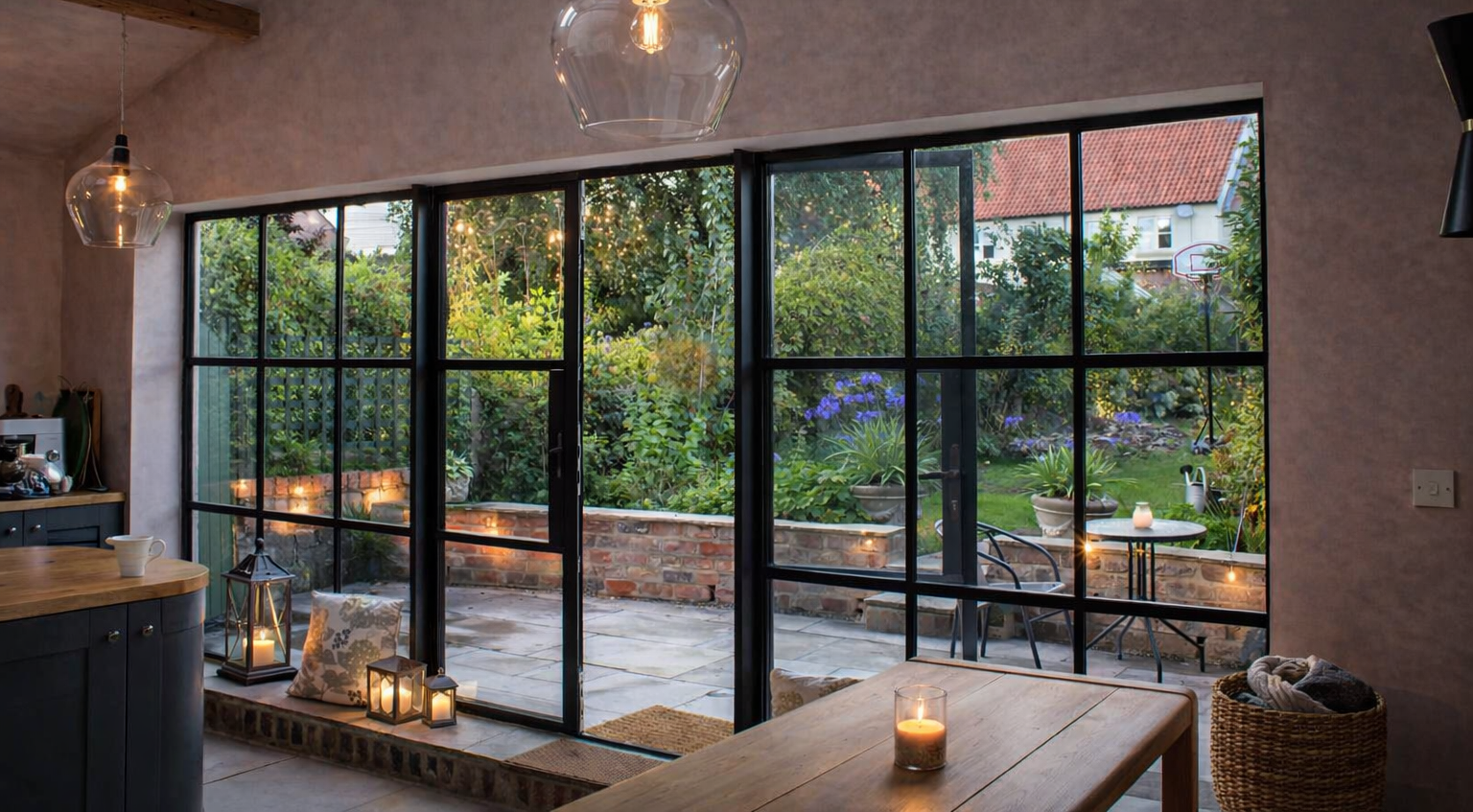
Aluminium It is particularly well suited to large glazed openings, heritage properties and homeowners who want a window system that looks sharp and performs for decades.
To discuss your project, speak to the Marlin Windows team and get expert guidance on the right glazing solution for your home.
Why choose Marlin Windows?
At Marlin Windows, we bring a different level of engineering thinking to window design and manufacture. Our background in aerospace engineering informs the way we approach precision, tolerances and quality control, helping us create aluminium window and door systems that are built for both performance and appearance.
Our external windows and doors are UKCA declared compliant, and our manufacturing processes are backed by a dedicated quality management system focused on preventing defects at every stage of production. We also use premium glazing solutions from Guardian Glass, helping homeowners benefit from strong thermal performance, natural light transmission and year-round comfort.

I’d wholeheartedly recommend Marlin Windows. We ordered Steel Replacement French Patio doors and Windows. They are absolutely beautiful. And they were an absolute pleasure to deal with. Thanks Marlin!
Myar Craig-Brown – London
Latest projects

HERITAGE DOORS
Heritage Glazing – Grade II Listed Kingsley House Stamford
STEEL REPLACEMENT WINDOWS
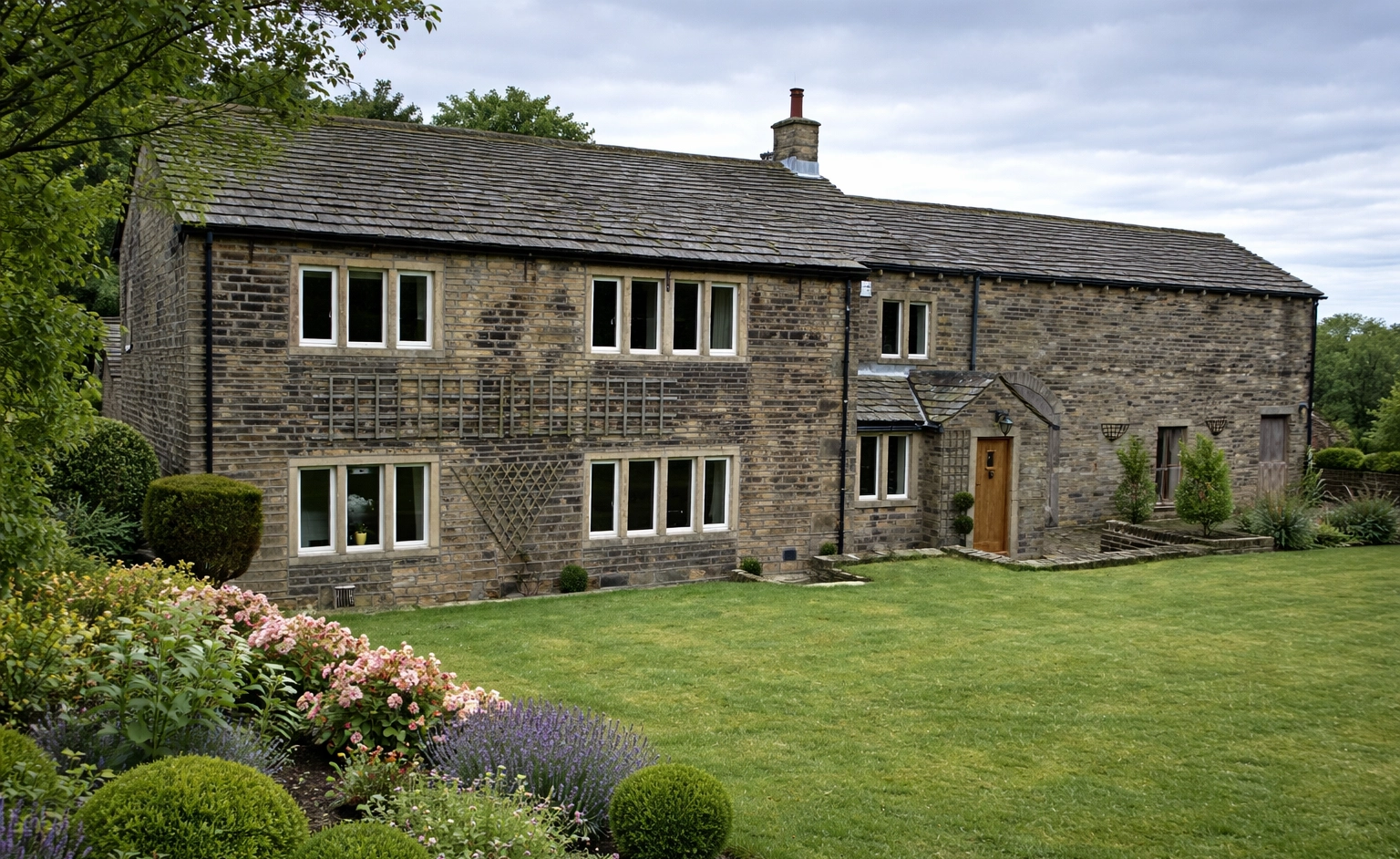
Steel Replacement Windows, Grade II Listed Farmhouse – Halifax

Come and explore…
Aluminium Bi-fold Doors, Sliding Doors, Contemporary Glazing, Aluminium Heritage Windows and Traditional Steel Replacement Doors


