Windows for Listed Buildings: What's Allowed and Approved Options
Approved Aluminium Windows For Listing Buliding and Conservation Areas.
Preserving Heritage · Modern Performance
Replacement Windows for Listed Buildings
Replacing windows in a listed building may be possible, provided the design respects the property’s historic character and the necessary consents are obtained.
Discover how heritage aluminium windows can recreate the appearance of traditional steel-window designs while offering modern performance.

Listed Property Owners Club Gold Supplier
Marlin Windows is a specialist Gold Supplier, preferred by the LPOC to provide products and services for the alteration, maintenance and restoration of listed buildings.
Approved Aluminium Windows For Listed Properties.
Listing means that a building is included on the National Heritage List as a property of ‘special architectural or historic interest’. As of December 2025, there are 401,682 listed buildings in England, categorised from Grade I to Grade II. Not all listed buildings are centuries old, and many are still in use, but buildings that are less than 30 years old are not usually considered for listing.
It means that its special character must be maintained and owners have a responsibility and a duty to ensure its upkeep.
GRADE I
Buildings are of exceptional interest; only 2.5% of listed buildings are Grade I. These require
GRADE II*
Buildings are particularly important, being of more than special interest; 5.5% of listed buildings are Grade II*.
GRADE II
Buildings of special architectural or historic interest; 92% of listed buildings are Grade II.
Before undertaking any improvement work to listed buildings, it’s important to receive proper planning approval from your local planning authority and to understand what is included in the listing designation. For example, some windows may not be contribute to your home’s historic status if they were later replacements.
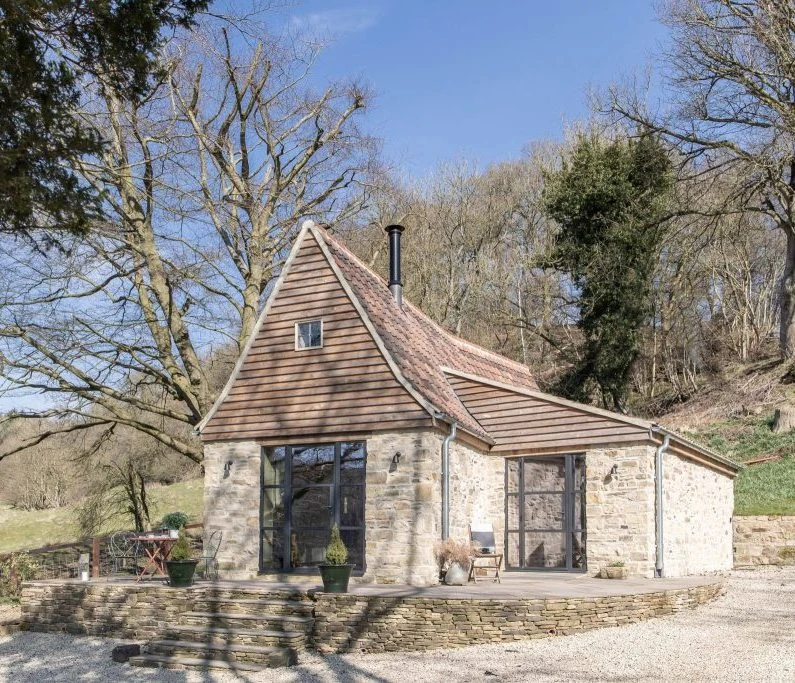
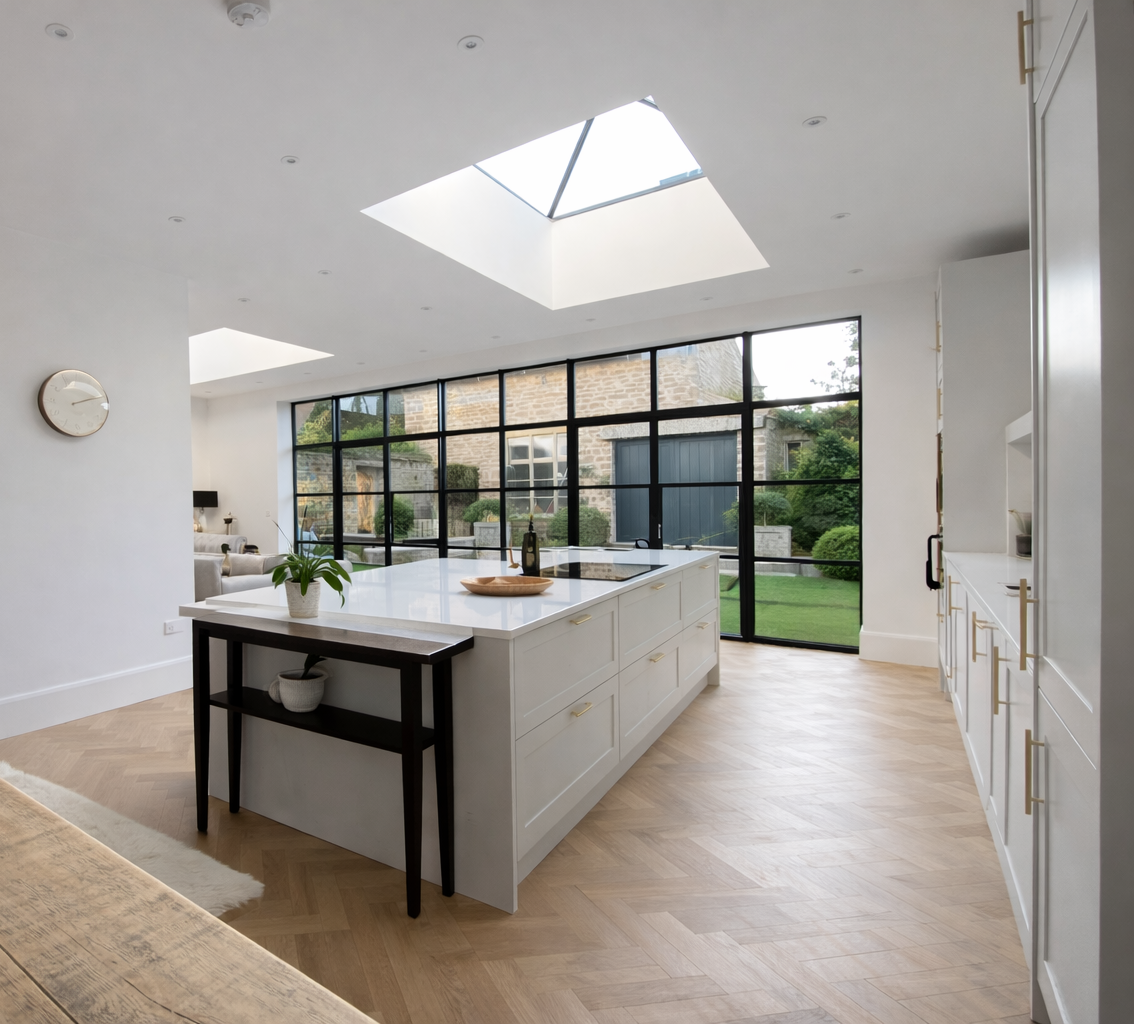
Listed windows? What are your options
Repair vs replacement
In general, English Heritage’s guidance highlights a preference for repairing windows in listed properties. This is due to repairs preserving the original character
- Repairs preserve the character of your home and its historic fabric
- Repairs don’t normally need local planning consent
- Repairs are generally more environmentally sustainable than full replacements (although our aluminium window frames are infinitely recyclable!)
Replacements are permitted so long as “The replacement window should match the form, detailing and operation of the window to be copied.” (Traditional Window Guide, Historic England). As a result, it’s important to work with a company that can create bespoke, made to measure designs that fit the style and design of the original window. It’s also important that the material of the window is in keeping with the original. uPVC windows are never appropriate for listed buildings and using “off the shelf” wooden windows is also discouraged.
Where style can be replicated, materials can be swapped out, for example aluminium can mimic the look of steel at a much more affordable price.
Heritage Aluminium Windows Accepted for Listed Building Projects
Our heritage aluminium windows have been accepted for use on listed building projects by a number of local planning authorities, including the London Boroughs of Islington, Camden and Tower Hamlets, Watford Borough Council, Essex County Council and Leeds City Council, as well as Cadw, the Welsh Government’s historic environment service.
All proposals remain subject to the relevant planning and listed building consent requirements.
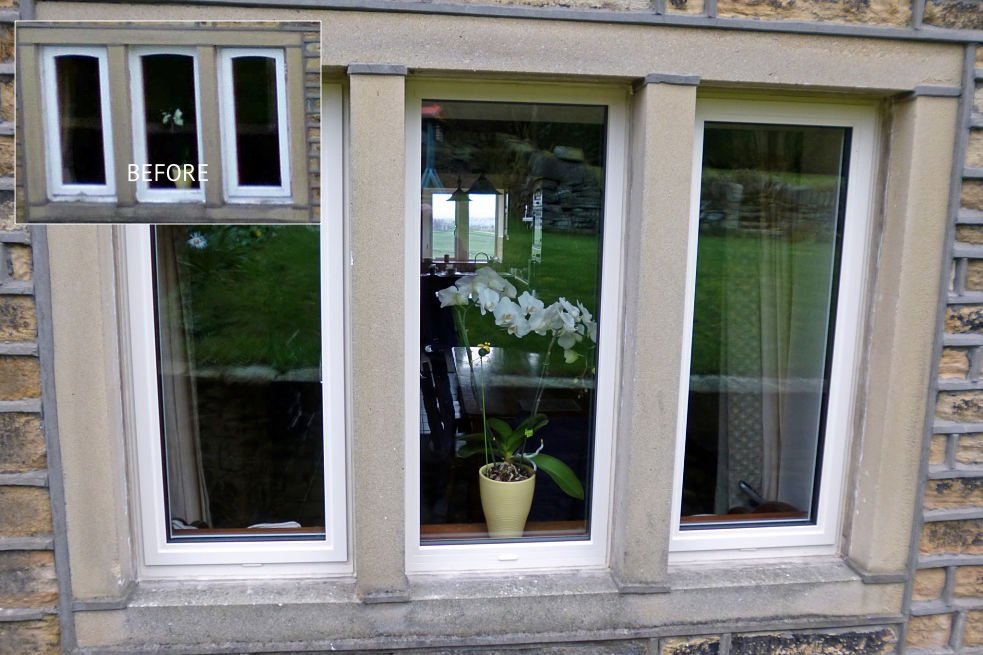
Getting Consent for Replacements
If you wish to replace windows in your listed building, then it depends on your local council’s consent. It is up to the council to decide if the ‘character of the building’ will be affected.
If the windows in a listed building can be repaired, then it is unlikely that consent will be given.
A technician is required to confirm that a window cannot be repaired. In some circumstances, the window can be replaced if it is not the original one, or as part of a renovation project where some or all of the original windows have been damaged or destroyed.
A typical local council will grant consent if the works do not have…..
any adverse effect upon the special architectural or historic interest of the building or its setting, are appropriate in terms of design, scale, detailing and materials and minimise the loss of the historic fabric of the building.
A grade II listed building is more likely to receive consent for window replacement than a grade I or grade II* listed building.
New extensions with glazing in keeping with the original style can receive consent.
If you have any questions please CALL 01535 603909

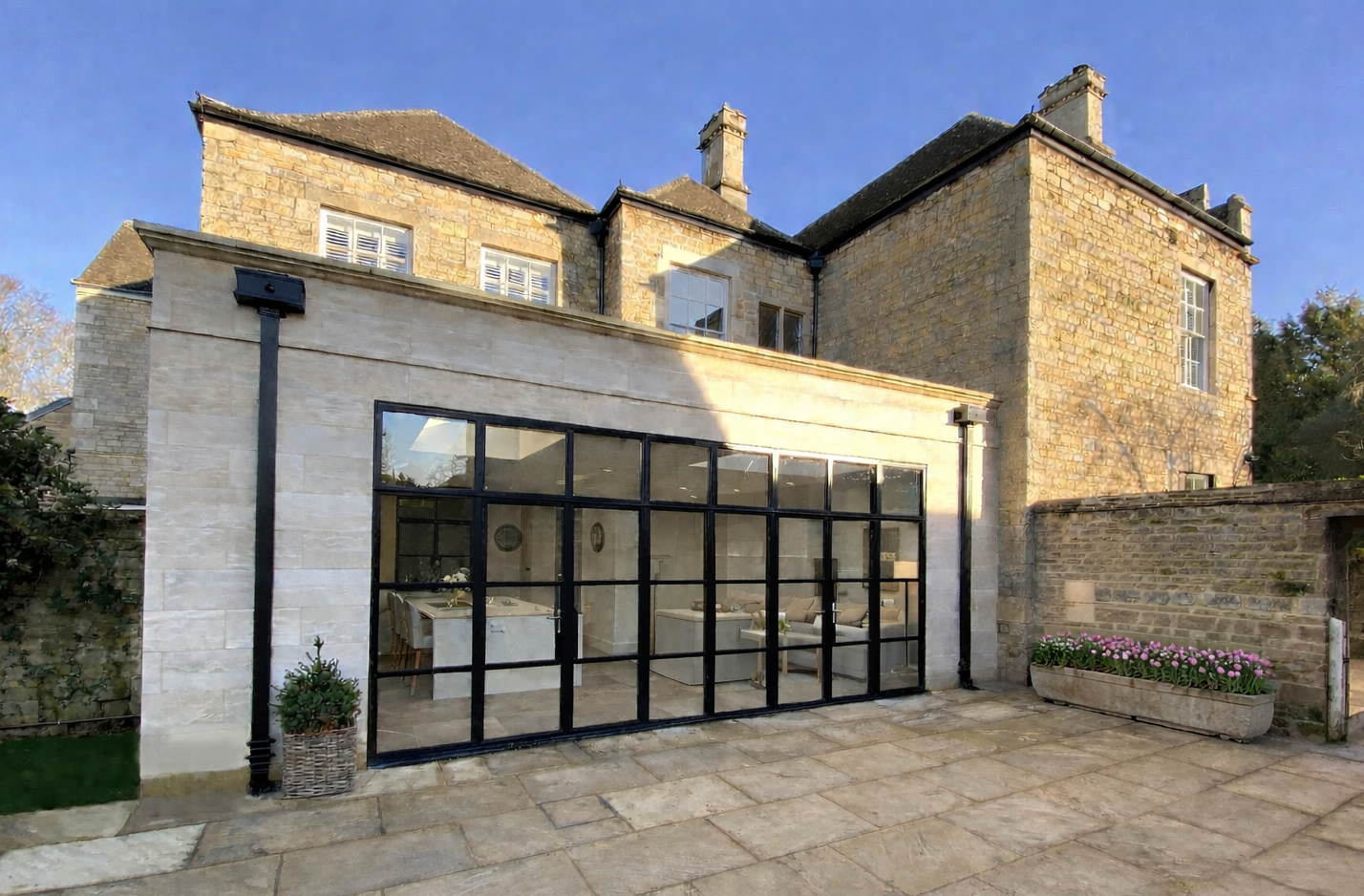
Approved Aluminium Replacement Windows For Listed Buildings
Historically, when local authorities have consented to replacement they have stipulated using traditional materials i.e. wood frames which allows for thin frames to support light, thin glazing. Modern glazing tends to be thick and heavy requiring thick frames to support it. However, recent developments in aluminium now mean that this is no longer the case.
Slim and ultra slim framed thermally efficient aluminium windows are now available. These can be made to match the windows of a bygone era found in many listed buildings.
Alitherm Heritage slim systems have already been approved for listed building projects by many councils including:
London Boroughs of Islington, Camden and Tower Hamlets, Watford Borough Council, Essex County Council and Leeds City Council as well as Cadw, the Welsh Government’s historic environment service.
How does Alitherm Heritage mimic bygone windows & doors found in listed buildings?
- Alitherm Heritage profiles have been developed to precisely match the slim profiles of traditional steel windows.
- Window furniture is synonymous with Victorian and Art Deco styles including ‘Monkey Tail’ and ‘Bulb’ options.
- Alchemy anodising offers eight colour matches, including shades of gold, bronze, silver, grey and black, and combines the unique style and aesthetics of traditional anodising
Read more about Alitherm Heritage windows
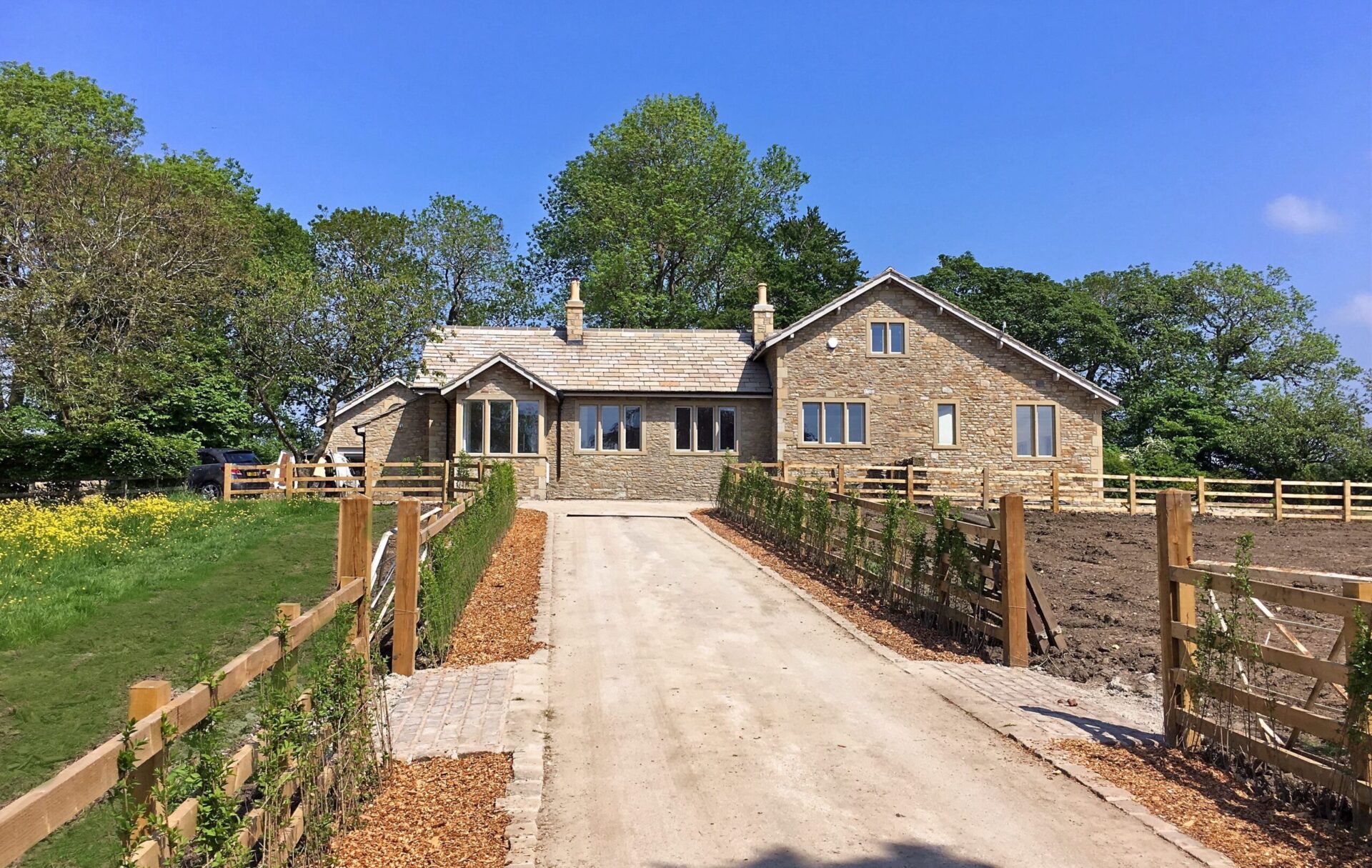
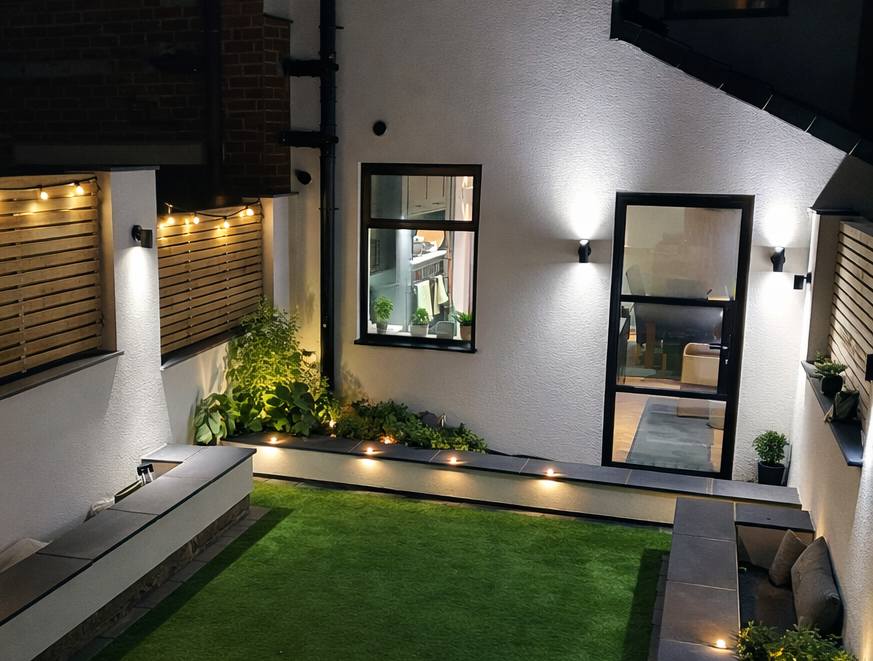
Marlin Windows Projects
Heritage & Listed Building Projects
Explore examples of our aluminium windows and doors installed in listed buildings and conservation areas.
Latest projects

HERITAGE DOORS
Heritage Glazing – Grade II Listed Kingsley House Stamford
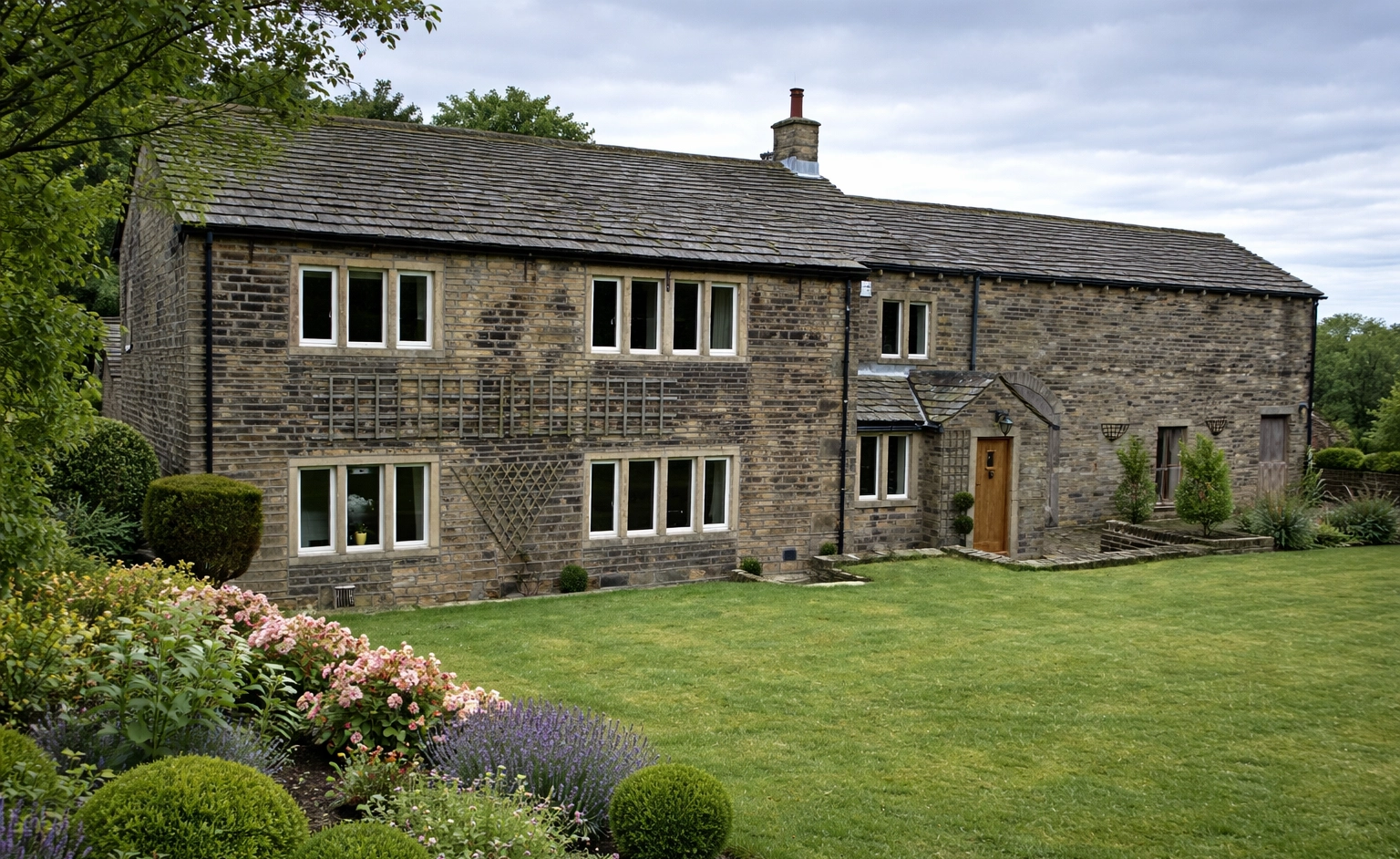
STEEL REPLACEMENT WINDOWS
Steel Replacement Windows, Grade II Listed Farmhouse – Halifax


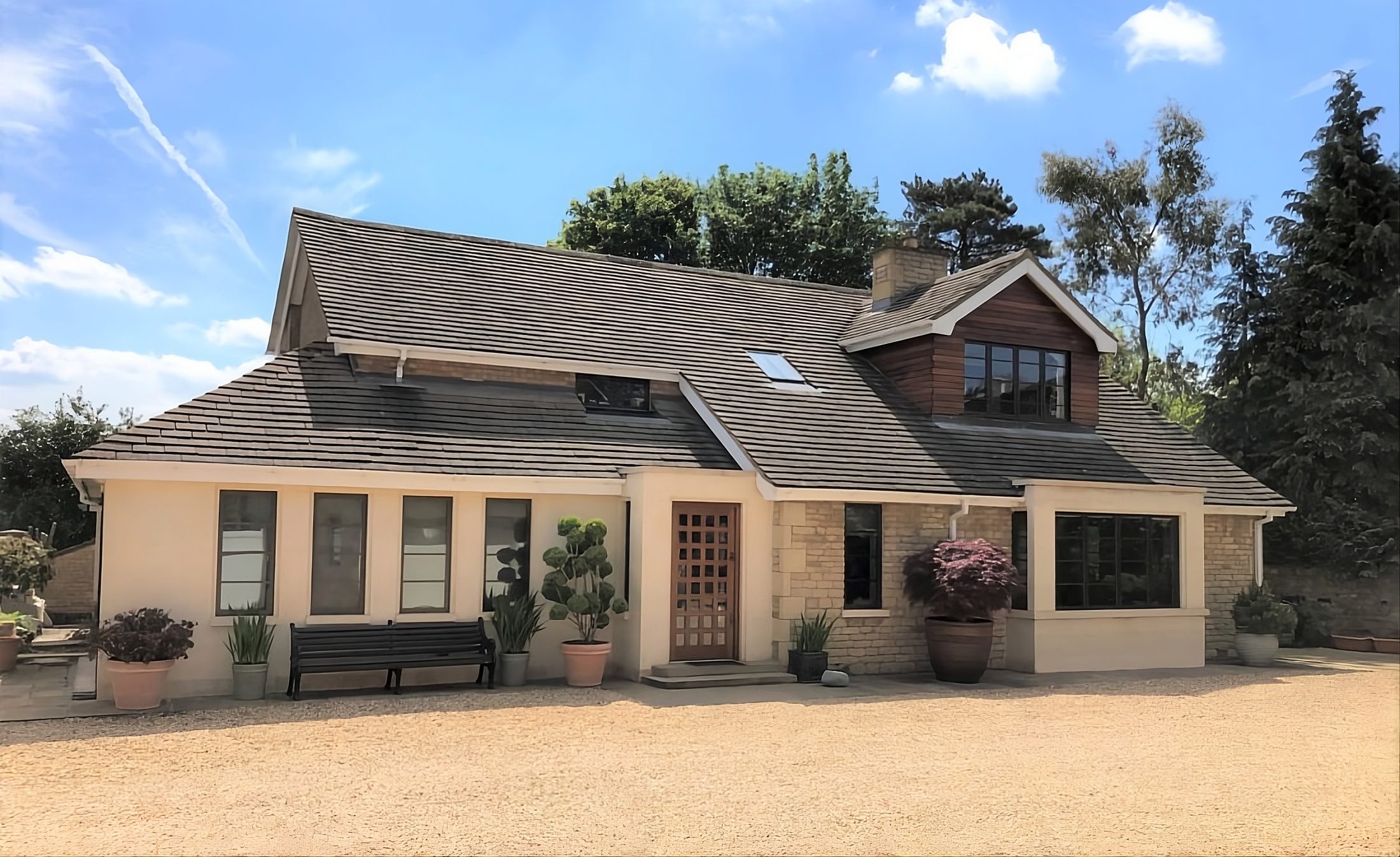
BI FOLD DOORS
Historic Ketton Village near Stamford

HERITAGE DOORS
Heritage Glazing – Idyllic North Yorkshire Village House
Frequently Asked Questions
If you require any support, please don’t hesitate to review our FAQ’s below or drop us a message on our contact form here
How slim is the Heritage frame?
The Alitherm Heritage outerframe has a sight line of 33mm.
The Classic Heritage outerframe has a sight line of 35.5mm.
Is the Heritage system suitable for listed buildings?
The Heritage slim systems have already been approved for listed building projects by many councils, including:
London Boroughs of Islington, Camden and Tower Hamlets, Watford Borough Council, Essex County Council and Leeds City Council as well as Cadw, the Welsh Government’s historic environment service.
What thermal rating does the Heritage system achieve?
Window Energy Rating ‘B’ – U Value 1.4 W/m2K (using sealed unit 0.9 W/m2K)
Come and explore…
Aluminium Bi-fold Doors, Sliding Doors, Contemporary Glazing, Aluminium Heritage Windows and Traditional Steel Replacement Doors


