What Conservation Officers Actually Look For in Replacement Windows
Conservation Guidance · Heritage Window Specialists
What Conservation Officers Look for When Approving Replacement Windows
Replacing windows in a conservation area or listed building requires more than choosing a traditional-looking design. Conservation officers may assess the proportions, glazing bars, frame profiles and architectural details to ensure replacements respect the property’s historic character.
As heritage aluminium window specialists, Marlin Windows understands the importance of these details. This guide explains the key considerations that can help you plan a sympathetic window replacement and avoid costly redesigns, subject to local approval requirements.

Listed Property Owners Club Gold Supplier
Marlin Windows is a specialist Gold Supplier for the Listed Property Owners Club (LPOC), preferred by the LPOC to provide products and services for the alteration, maintenance and restoration of listed buildings.
Why Conservation Areas Have Stricter Window Rules
Conservation areas exist to preserve the architectural character of historically significant locations. In many cases, windows are considered one of the most important visual elements of a building.
Poorly chosen replacements can dramatically alter the appearance of:
- Victorian terraces
- Edwardian homes
- stone cottages
- converted mills
- Georgian properties
- period townhouses
Because of this, councils often scrutinise window replacements closely — especially on front elevations visible from the street.

The Biggest Mistake Homeowners Make
One of the most common misunderstandings is assuming that any “heritage” aluminium window will automatically be accepted.
In reality, conservation officers usually focus on:
- proportions
- frame thickness
- opening style
- glazing bar layout
- reflectivity
- detailing
- sightlines
A window can technically be heritage-inspired while still looking too modern for the property.
Conservation Area & Listed Building Projects
Heritage Window & Door Installations
Explore a selection of our premium window and door installations within conservation areas, carefully designed to preserve each property’s character and heritage.




1. Slim Sightlines Matter More Than Most People Realise
Traditional steel and timber windows were visually lightweight. Many modern replacements fail because the frames appear too thick or bulky.
Conservation officers often examine:
- outer frame depth
- sash proportions
- meeting rail thickness
- glazing bar width
- visible frame bulk from outside
This is one reason slimline aluminium systems are increasingly specified in heritage projects. They can achieve narrower profiles while still offering modern thermal performance.
With sightlines as slim as 33mm on fixed lights, our Alitherm Heritage windows are an ideal choice for conservation areas, listed properties, and heritage-inspired projects where maintaining traditional proportions is essential.
2. Window Proportions Must Match the Original Property
The overall shape and proportions of the original windows are usually critical.
Common issues include:
- changing tall sash proportions into wider openings
- altering pane arrangements
- removing glazing bars
- changing symmetry across elevations
Even subtle proportion changes can alter the character of a period property.
For example:
- Victorian homes often feature vertically emphasised proportions
- Georgian properties typically rely on strict symmetry
- cottage-style buildings may use smaller divided panes
Conservation officers generally expect replacement windows to respect these original design cues.

3. Opening Styles Are Closely Scrutinised
One of the fastest ways to create planning problems is changing the opening method.
Examples include:
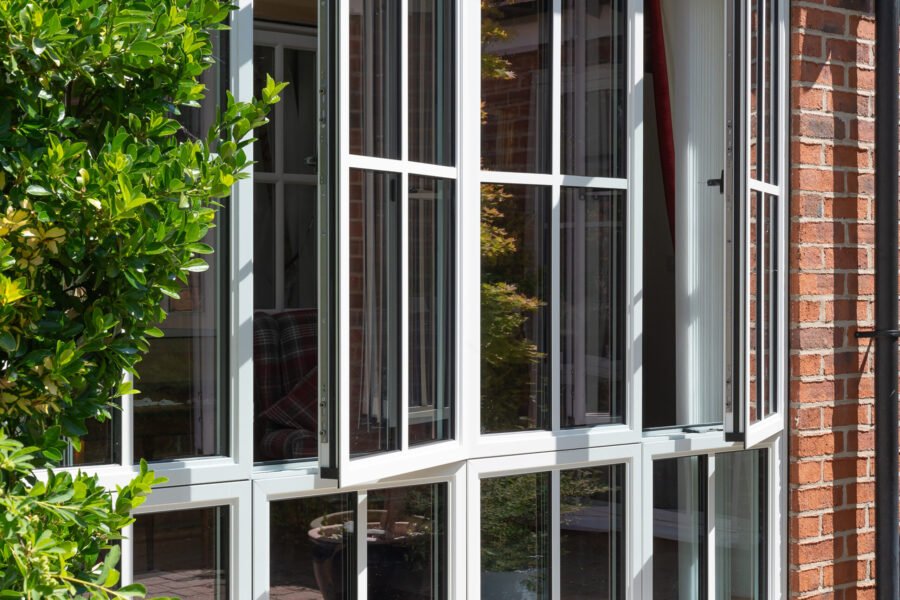
- replacing traditional side-hung casements with top-hung windows
- replacing sliding sash windows with outward-opening systems
- introducing visible modern friction hinges
Even if the frame colour and glazing bars appear correct, inappropriate opening styles can make windows feel noticeably modern.
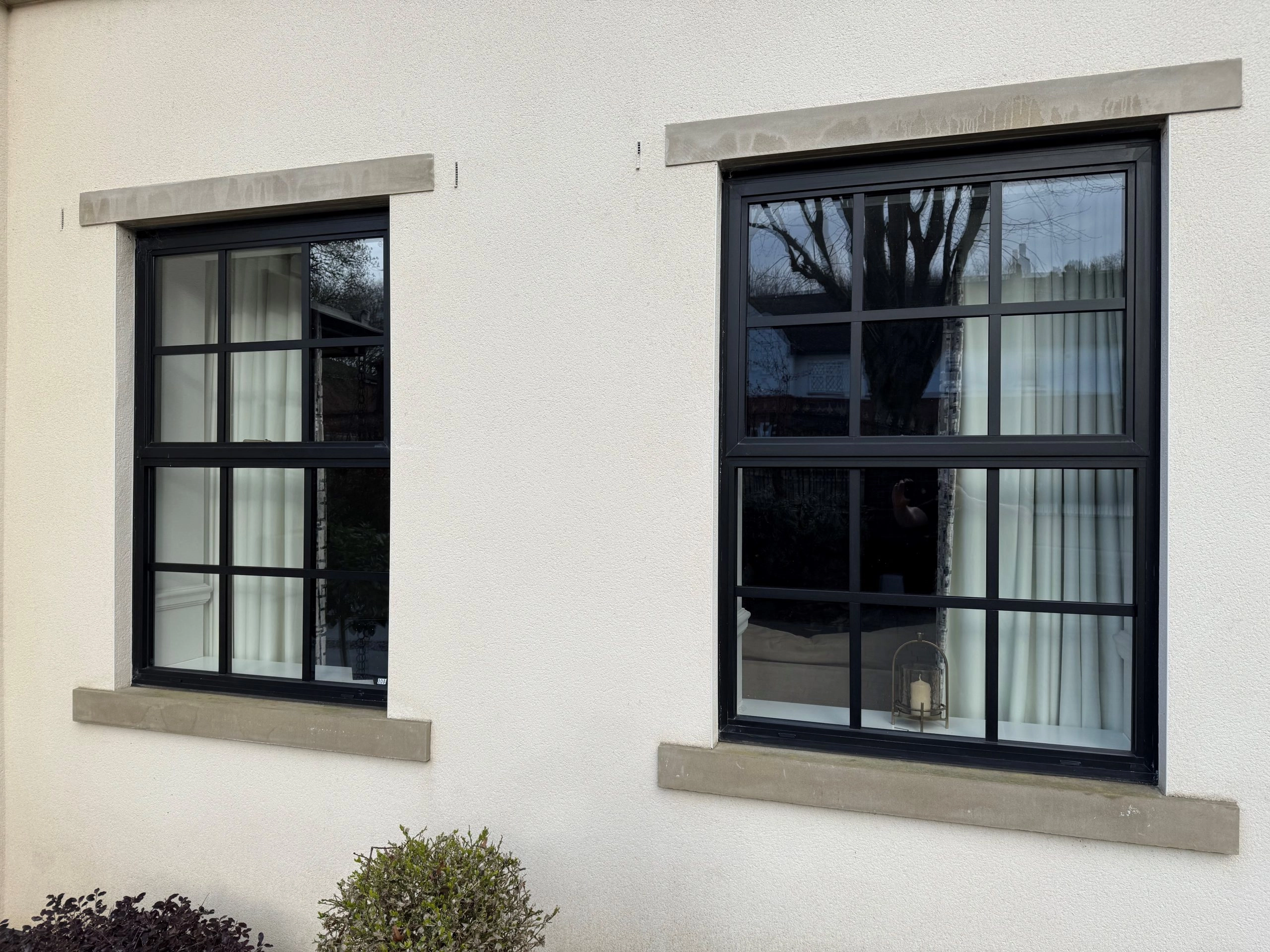
4. Glazing Bars Must Be Authentic
Glazing bars are another area where many replacement windows fail.
Conservation officers often dislike:
- stick-on astragal bars
- oversized glazing bars
- incorrect spacing
- fake Georgian grids between glass panes
Authentic-looking bars should:
- sit proud correctly
- maintain slim proportions
- align consistently across the façade
- reflect the original architecture
Poor glazing bar detailing is one of the most common reasons heritage windows appear inauthentic.
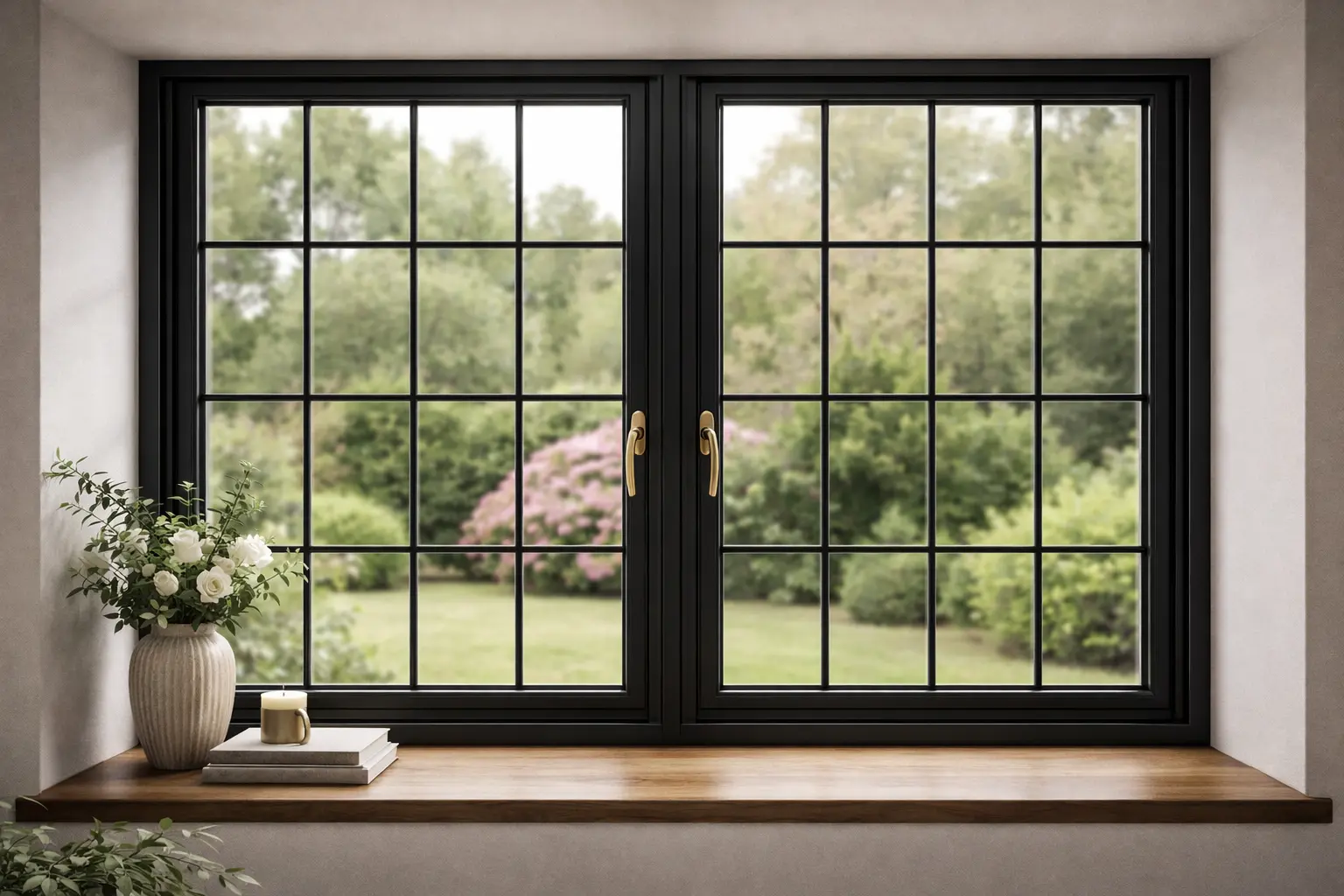
“MARLIN WINDOWS ARE ACE. Such a great company to deal with on our house renovation and our Heritage steel windows and doors finished of our contemporary modern extention perfectly. Can highly recommend this company for their total professionalism, quality and excellent price. Wouldn’t hesitate to purchase from them again. Well worth a visit to their showroom”.
Richard Wilkinson – Rotherham, South Yorkshire
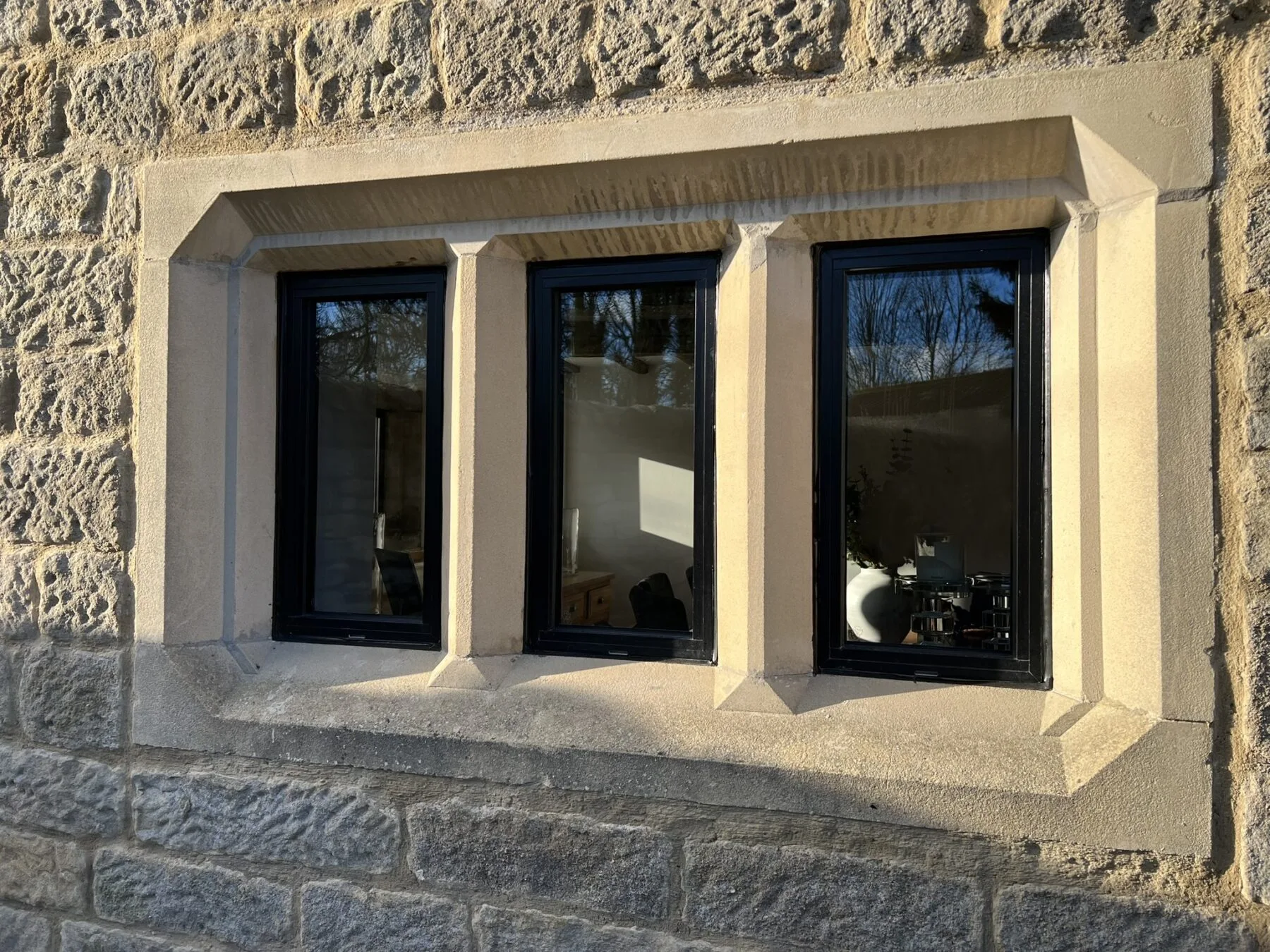
5. Reflective Glass Can Cause Problems
Modern glazing can sometimes look too reflective for period properties.
This is particularly noticeable on:
- south-facing elevations
- black-framed heritage systems
- large glazed openings
Many conservation officers prefer more neutral glass appearances that retain a traditional character externally.
Slimline double glazing is often used to balance thermal efficiency with a more appropriate heritage appearance.
6. Trickle Vents Are Becoming a Major Issue
Modern ventilation regulations increasingly require trickle vents in replacement windows.
However, visible vents can significantly impact the appearance of heritage properties.
Common concerns include:
- large plastic vent covers
- disruption to slim head sections
- visual clutter on traditional façades
As a result, many heritage projects now explore:
- concealed ventilation solutions
- alternative ventilation strategies
- carefully integrated vent systems
This has become one of the biggest modern challenges in conservation-sensitive glazing design.

7. Colour Choice Matters More Than You Think
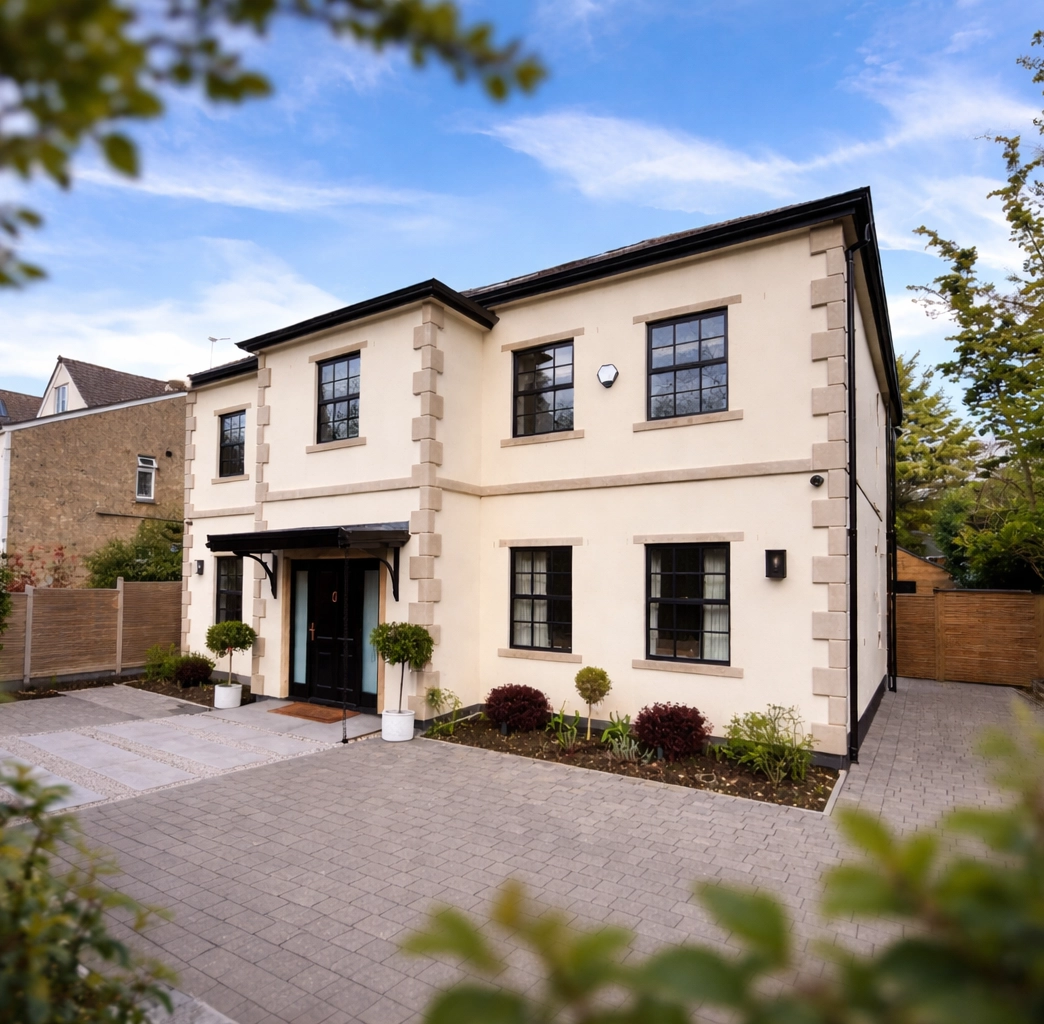
Conservation officers rarely object to colour alone — but inappropriate finishes can still harm approval chances.
Typically accepted colours include:
- black
- anthracite grey
- heritage white
- muted heritage tones
Bright contemporary colours or highly metallic finishes may appear out of character on period buildings.
Texture and sheen levels also matter. Ultra-gloss finishes can sometimes look too modern compared to traditional painted timber or steel.
8. Modern Features Must Be Discreet
Most conservation officers understand that modern performance standards are necessary.
The goal is not to avoid modern technology entirely — but to integrate it discreetly.
This includes:
- concealed drainage
- hidden hardware
- slim thermal breaks
- minimal visible gaskets
- discreet locking systems
The best heritage glazing systems preserve traditional aesthetics while quietly incorporating modern performance.
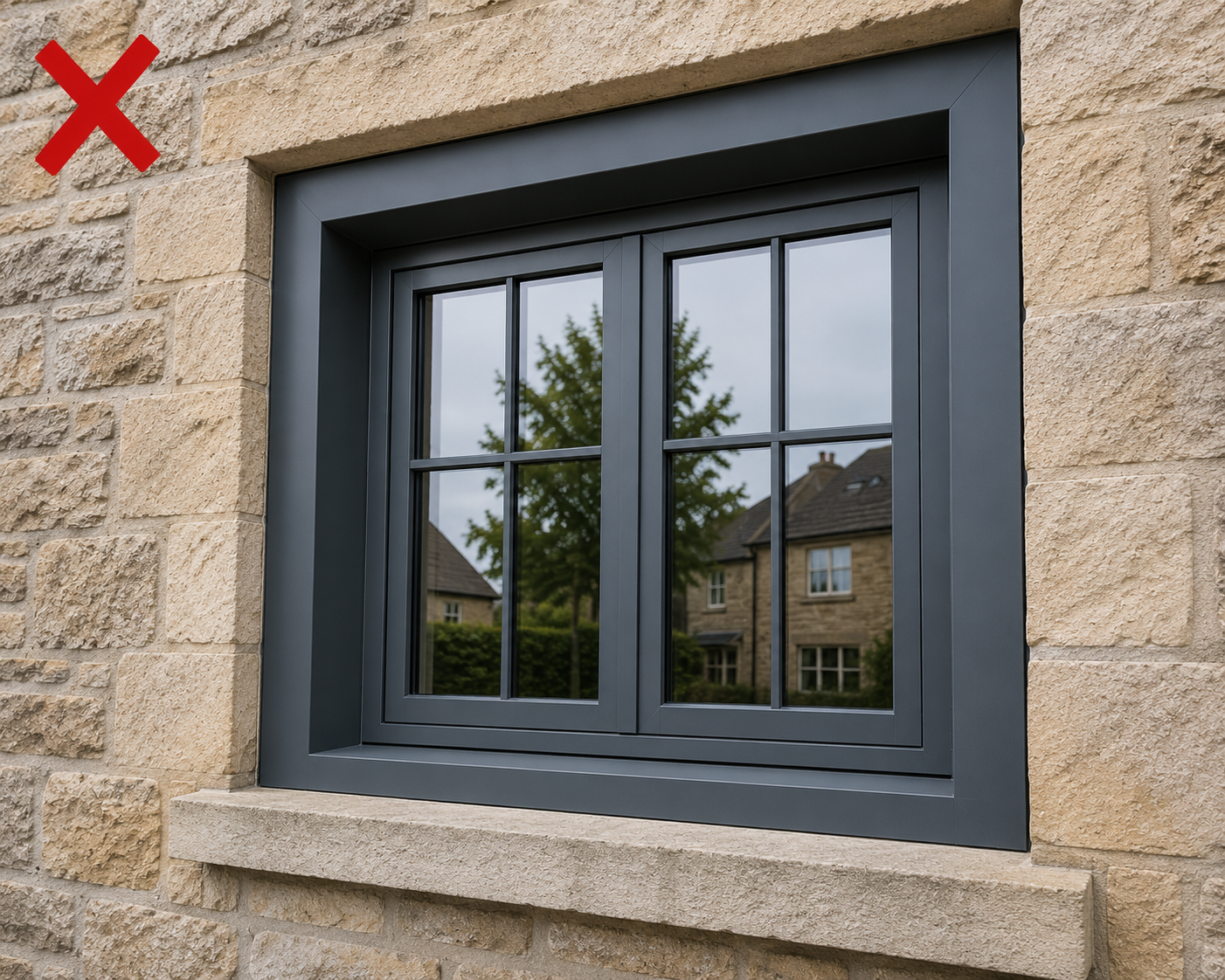
Why Some Applications Get Rejected
Common reasons include:
- overly chunky frames
- incorrect opening configurations
- fake-looking glazing bars
- loss of original detailing
- reflective glazing
- visible vents
- inappropriate proportions
- poor material choices
In many cases, rejection happens because the replacement changes the character of the building rather than preserving it.
Early Planning Advice Can Prevent Expensive Mistakes
For conservation area projects, window design should ideally be considered before products are ordered.
Early discussions around:
- sightlines
- opening styles
- glazing layouts
- ventilation
- finishes
- planning expectations
can help avoid redesigns later in the project.
This is particularly important for:
- listed buildings
- Article 4 properties
- prominent street-facing elevations
- heritage renovation projects

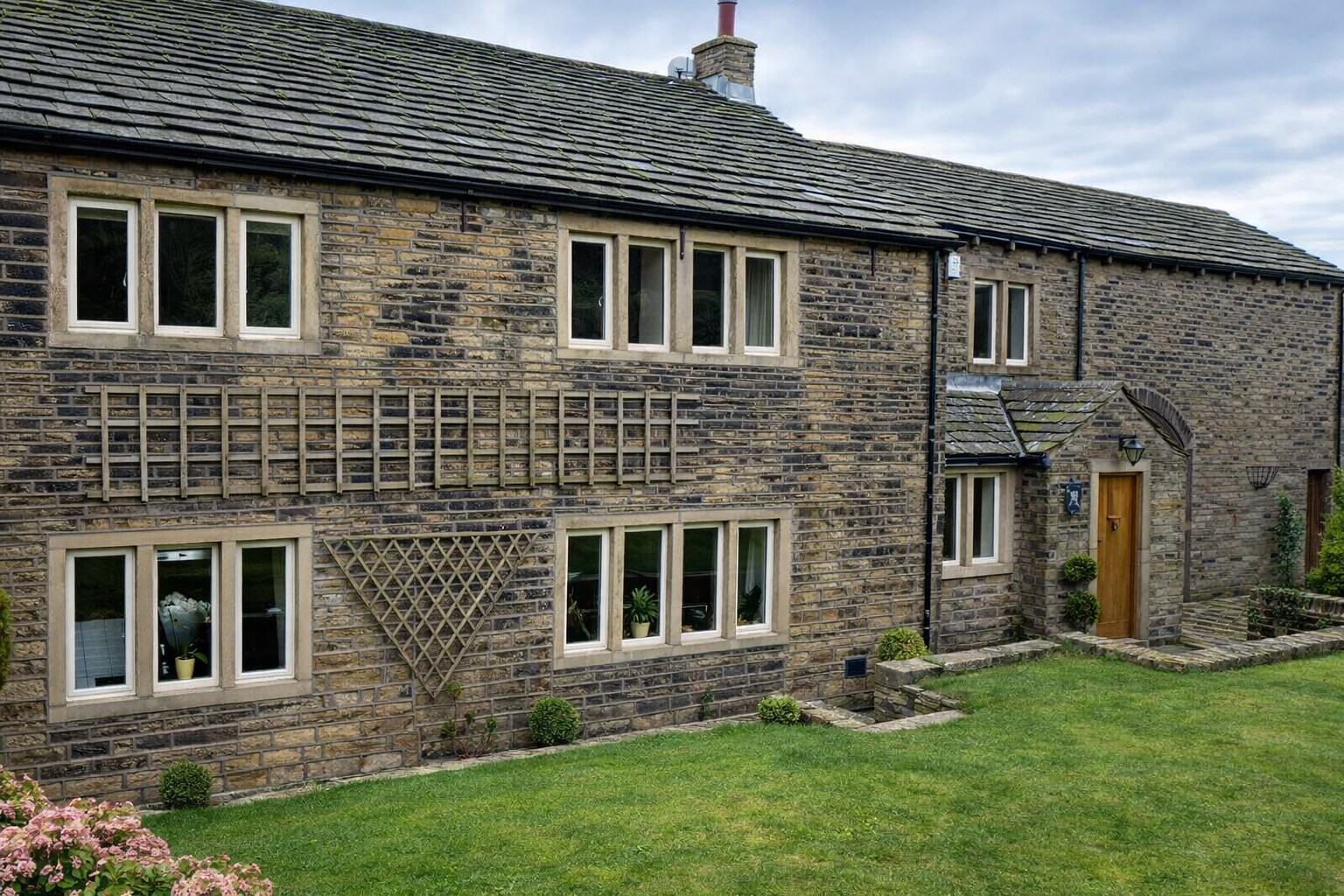
Choosing the Right Window System for your Period Property
Successful conservation projects usually achieve a balance between:
- traditional appearance
- thermal performance
- durability
- planning compliance
The best results typically come from systems designed specifically for heritage applications rather than standard modern windows adapted to look traditional.
Need Advice for a Conservation Area Project?
Every conservation authority interprets heritage guidance slightly differently. What works in one area may not automatically be accepted in another.
If you’re planning to replace windows in a conservation area, early advice can help identify potential issues before applications are submitted or manufacturing begins.

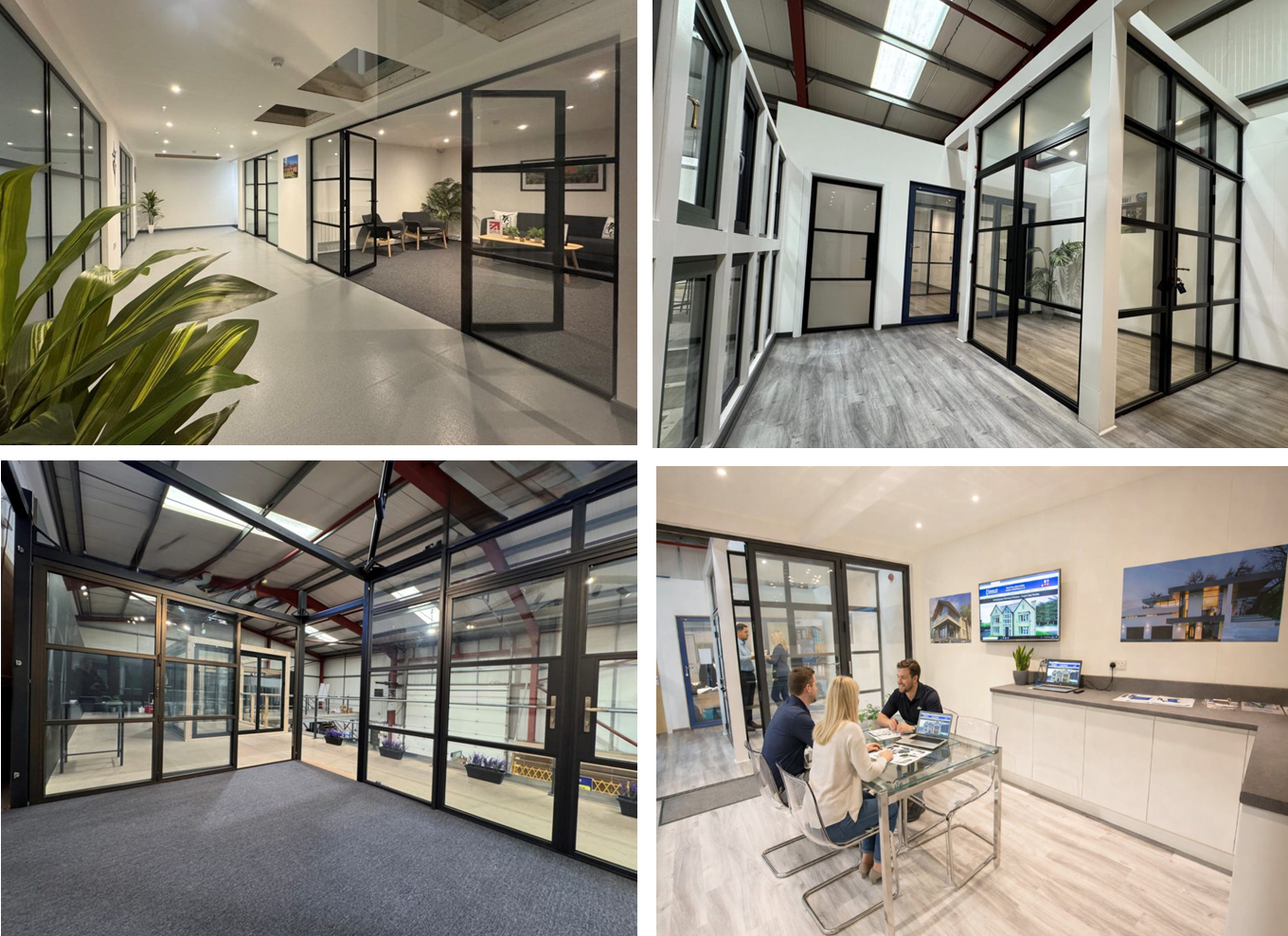
Discover the UK’s Largest Industrial-Style Glazing Showroom
Marlin Windows has one of the UK’s largest on-display collections of heritage aluminium glazing, allowing homeowners to explore a wide range of steel-look windows and doors in person.
From slim sightline internal screens to heritage-inspired exterior glazing, our showroom showcases the versatility, detail and design possibilities of modern industrial-style aluminium systems.
View further examples of our Conservation Area and Listed Building projects:
Latest projects


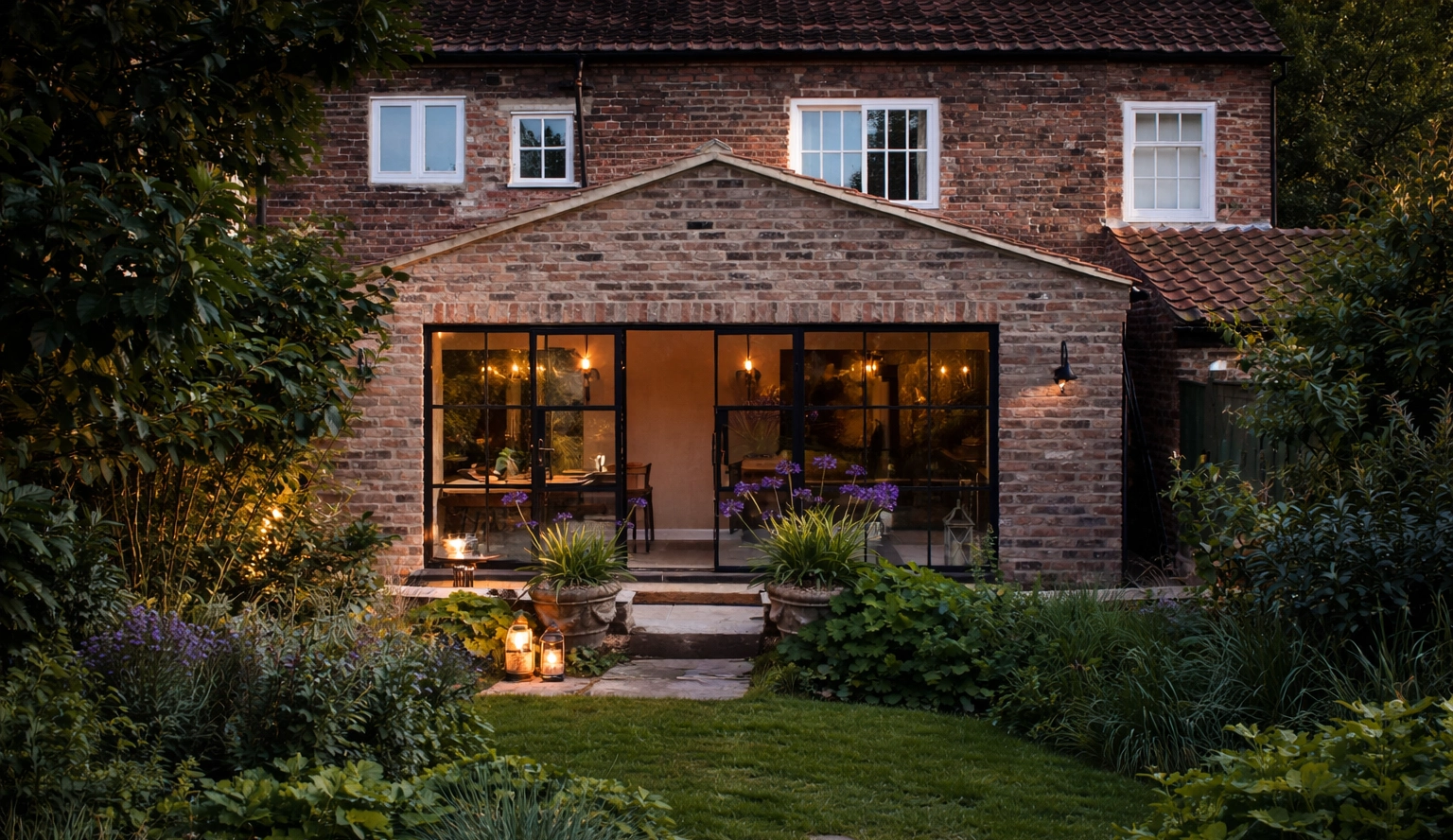
STEEL REPLACEMENT WINDOWS
Steel Replacement Doors and Windows, Stonegate at Harrogate Yes they are aluminium!
Frequently Asked Questions
If you require any support, please don’t hesitate to review our FAQ’s below or drop us a message on our contact form here
How slim is the Heritage frame?
The Alitherm Heritage outerframe has a sight line of 33mm.
The Classic Heritage outerframe has a sight line of 35.5mm.
Is the Heritage system suitable for listed buildings?
The Heritage slim systems have already been approved for listed building projects by many councils, including:
London Boroughs of Islington, Camden and Tower Hamlets, Watford Borough Council, Essex County Council and Leeds City Council as well as Cadw, the Welsh Government’s historic environment service.
What thermal rating does the Heritage system achieve?
Window Energy Rating ‘B’ – U Value 1.4 W/m2K (using sealed unit 0.9 W/m2K)
Come and explore…
Aluminium Bi-fold Doors, Sliding Doors, Contemporary Glazing, Aluminium Heritage Windows and Traditional Steel Replacement Doors


