Understanding Article 4 Directions and Window Replacement
A practical guide for homeowners in conservation areas
Planning Guidance · Preserving Heritage
Understanding Article 4 Directions and Window Replacement
Article 4 Directions give local planning authorities additional control over certain alterations to properties, including replacement windows and doors. Where applicable, planning permission may be required for work that would otherwise be permitted development.
As heritage aluminium window specialists, Marlin Windows offers traditional steel-look designs that can help preserve your property’s architectural character while improving comfort and energy efficiency, subject to local planning requirements.
What Is an Article 4 Direction?
An Article 4 Direction is a planning restriction used by local authorities to protect the character and appearance of a conservation area.
Normally, homeowners benefit from Permitted Development Rights, which allow certain changes—such as replacing windows or doors—without needing planning permission.
However, when an Article 4 Direction is in place, these rights are removed. This means that even small alterations, including replacing windows, may require formal planning permission.
Local councils introduce Article 4 Directions to prevent changes that could gradually erode the historic or architectural character of an area.
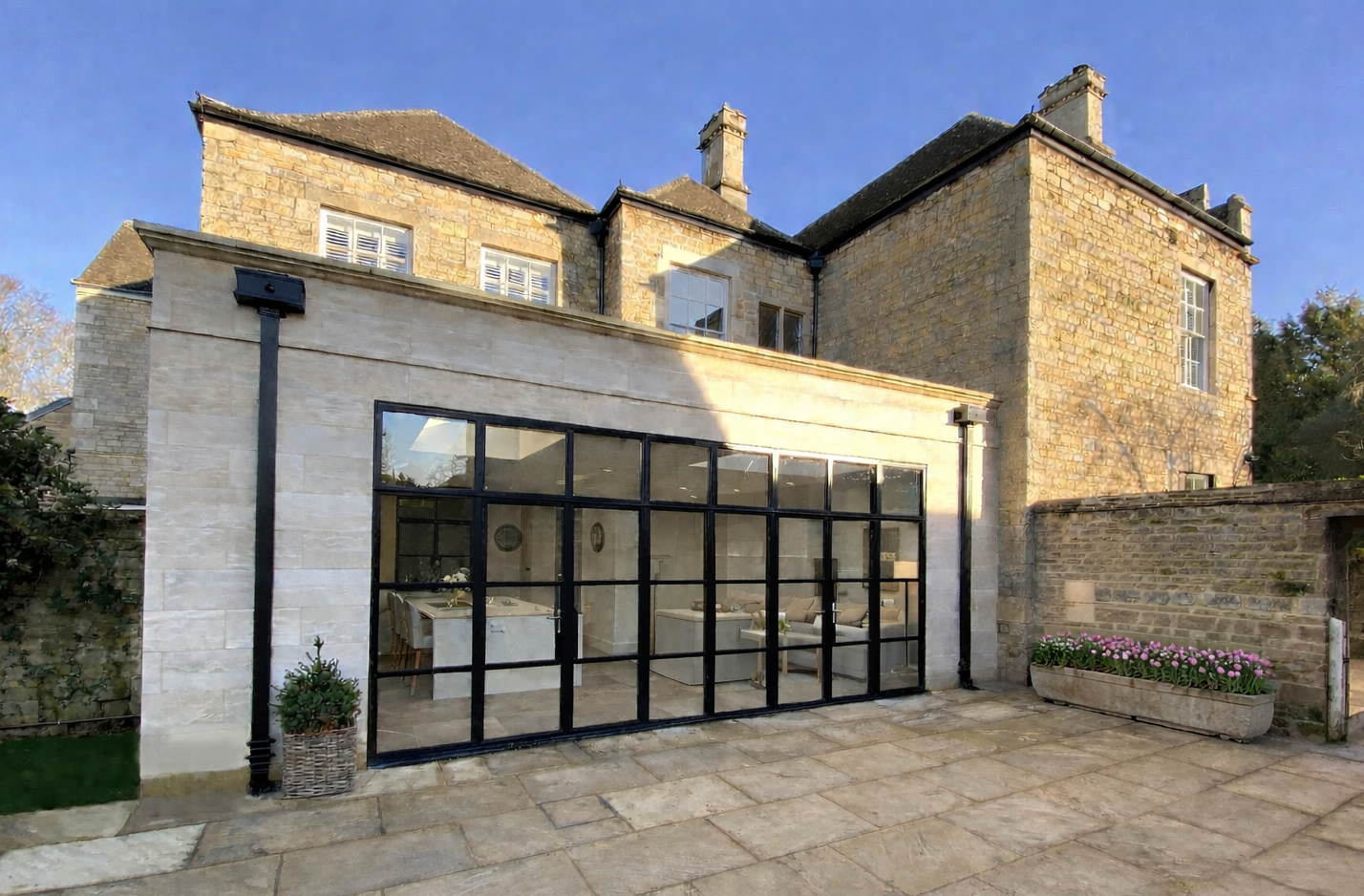

Why Article 4 Directions Are Used
Conservation areas are designated to protect places of historic or architectural interest. Over time, seemingly minor changes—like replacing timber windows with modern plastic alternatives—can significantly alter the appearance of historic streets.
An Article 4 Direction helps councils control alterations that affect:
- Historic buildings and streetscapes
- Original architectural features
- Traditional materials and detailing
- The overall character of the conservation area
By requiring planning permission, councils can ensure that any replacements remain sympathetic to the original design.
How Article 4 Directions Affect Window Replacement
If your property is within a conservation area covered by an Article 4 Direction, you will usually need planning permission before replacing windows on elevations visible from public spaces, such as the front of the property.
Restrictions commonly apply to:
- Changing the material of windows (for example timber to uPVC)
- Altering window proportions or opening styles
- Removing glazing bars or original detailing
- Changing frame thickness or profile
- Installing modern designs that do not match the original appearance
Even if the new windows are similar, you may still need approval before the work begins. U


What Types of Windows Are Typically Approved?
Local planning authorities generally support window replacements that maintain the historic character of the building.
Commonly approved options include:
- Timber Heritage Windows
Timber is often the most historically accurate material and is widely accepted in conservation areas. - Steel-Look Aluminium Windows
Modern aluminium systems can replicate the slim sightlines of traditional steel windows while offering improved energy efficiency and durability. - Thermally Broken Steel Windows
These replicate traditional steel windows but incorporate modern insulation to improve thermal performance.
The key factor is that the new windows should closely match the original design, proportions, and detailing.
The customer service we received from Marlin Windows was outstanding and the quality of our Heritage doors is exceptional. Great company to work with – we will be back for our interior doors later this year.
Fred Neilson

What Councils Usually Look For
When assessing planning applications for window replacement, conservation officers typically consider:
- Whether the original windows are repairable
- How closely the replacement matches the original design
- The materials used
- Frame profile thickness and sightlines
- Glazing bar patterns and proportions
- The impact on the appearance of the building and street
Providing detailed drawings and specifications can significantly improve the chances of approval. Understanding Article 4 Directions and Window Replacement
Steps to Take Before Replacing Windows
If you believe your property may be affected by an Article 4 Direction, it is important to check before starting any work.
- Check with your local planning authority
Most councils provide online maps showing conservation areas and Article 4 restrictions. - Review the conservation area appraisal
These documents explain which architectural features are important to preserve. - Speak to the council’s conservation officer
Early discussions can clarify what is likely to be approved. - Submit a planning application if required
This will usually need drawings, product specifications, and photographs of the existing windows.
Starting work without permission could lead to enforcement action and require the windows to be replaced again.


Improving Energy Efficiency in Article 4 Properties
Many homeowners are concerned about energy efficiency in older properties. Fortunately, there are solutions that can improve thermal performance while respecting conservation requirements.
Options include:
- Slimline double glazing designed for heritage frames
- Secondary glazing installed internally
- Draught proofing and refurbishment of original windows
- Thermally broken steel or aluminium heritage windows
These options can significantly improve comfort and reduce energy loss without altering the building’s appearance.
Key Takeaways
Article 4 Directions are designed to protect the architectural character of conservation areas by controlling changes to buildings.
If your property is affected:
- Window replacements may require planning permission
- New windows must usually match the original design and materials
- Early discussions with the local planning authority can help avoid delays
- Heritage-style windows can improve energy efficiency while maintaining historic appearance
With the right approach and careful design, it is still possible to upgrade windows in conservation areas while preserving the character that makes these places special.
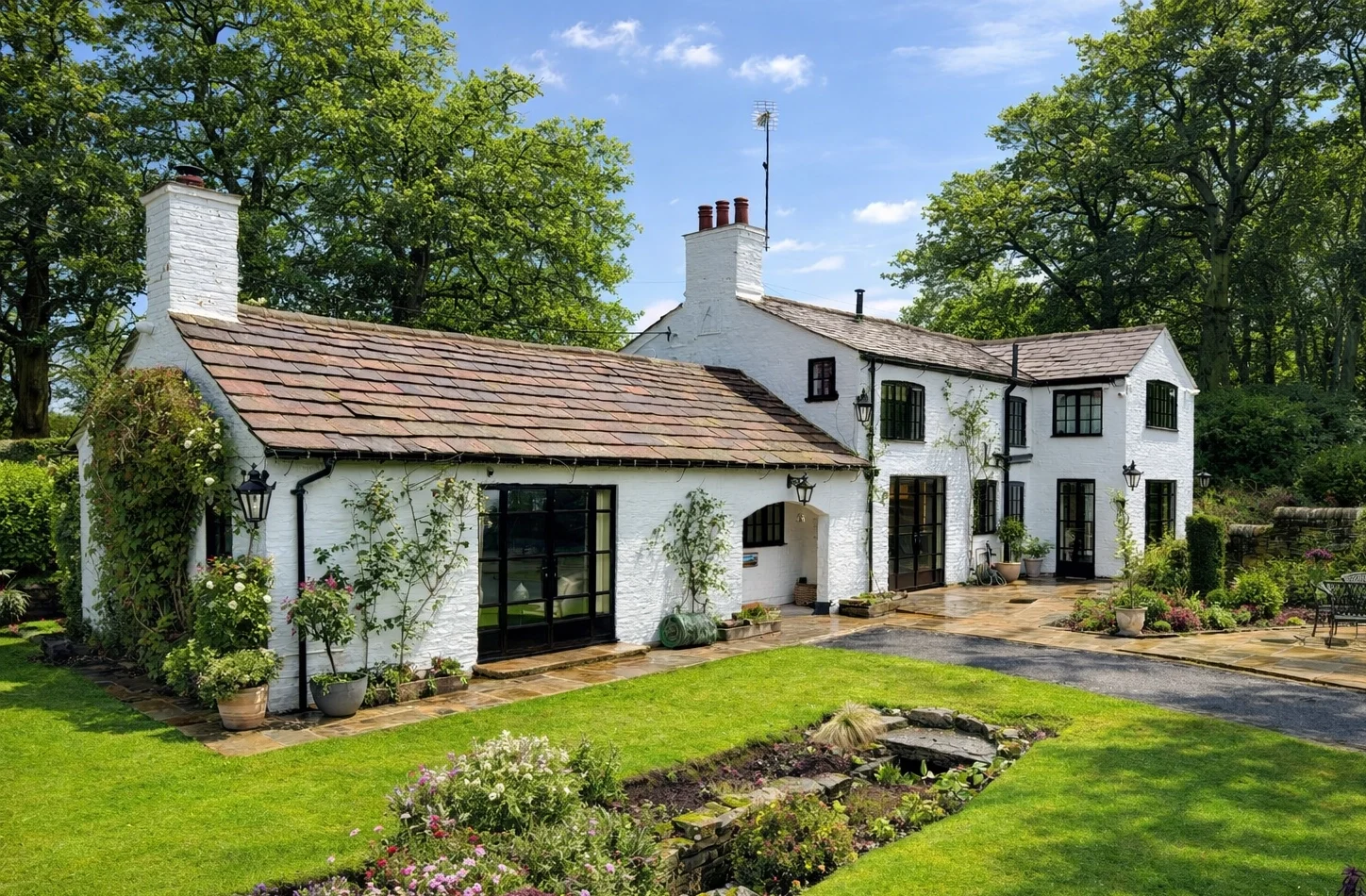
Latest projects

HERITAGE DOORS
Heritage Glazing – Grade II Listed Kingsley House Stamford
HERITAGE WINDOWS AND DOORS
Batt House, Northumberland Alitherm Heritage Windows and Doors

Frequently Asked Questions
If you require any support, please don’t hesitate to review our FAQ’s below or drop us a message on our contact form here
How slim is the Heritage frame?
The Heritage outerframe has a sight line of 33mm.
Is the Heritage system suitable for listed buildings?
The Heritage slim systems have already been approved for listed building projects by many councils including:
London Boroughs of Islington, Camden and Tower Hamlets, Watford Borough Council, Essex County Council and Leeds City Council as well as Cadw, the Welsh Government’s historic environment service.
What thermal rating does the Heritage system achieve?
Window Energy Rating ‘B’ – U Value 1.4 W/m2K (using sealed unit 0.9 W/m2K)
Come and explore…
Aluminium Bi-fold Doors, Sliding Doors, Contemporary Glazing, Aluminium Heritage Windows and Traditional Steel Replacement Doors


